


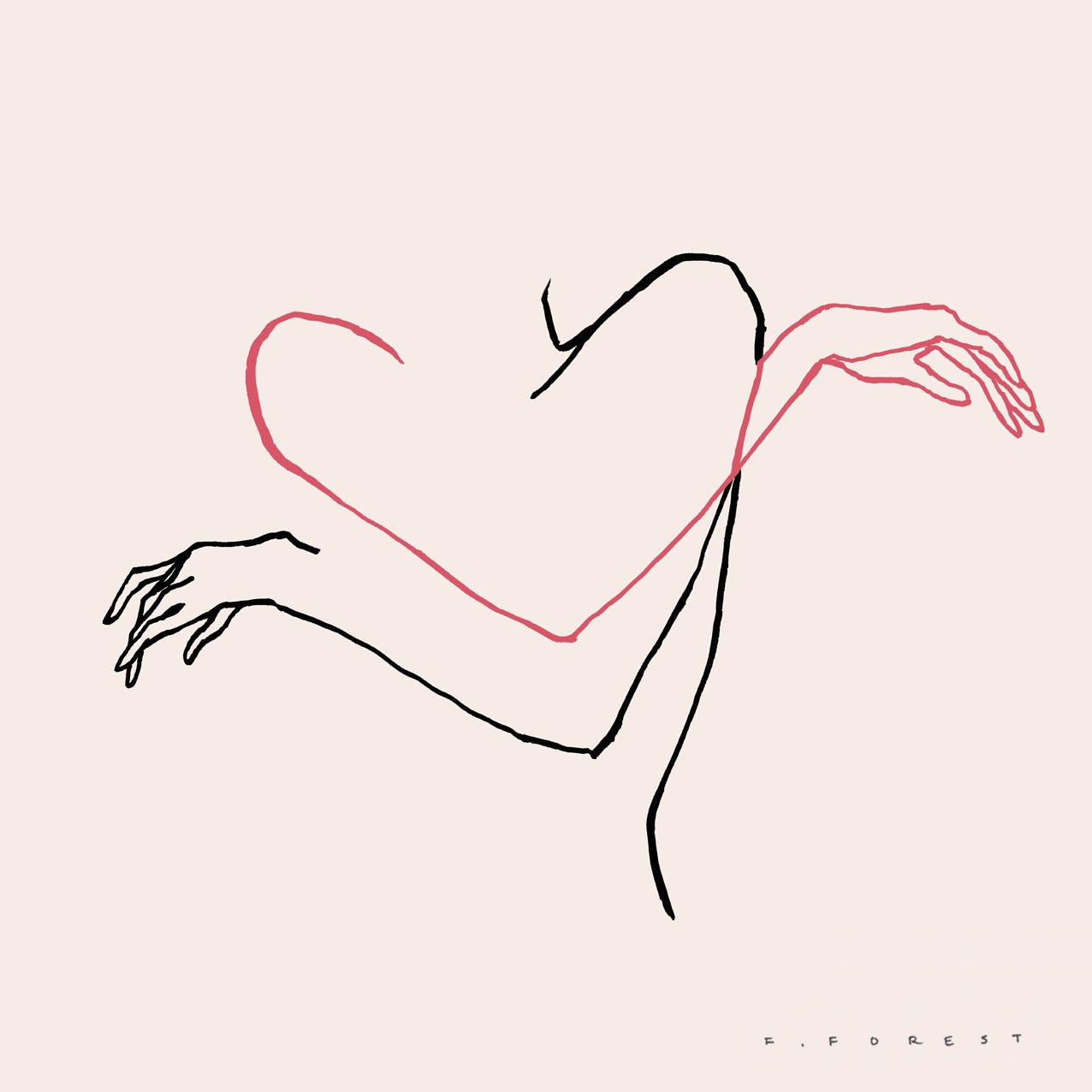
Bodies—both singular and plural—are an endless source of inspiration. Perhaps this comes from the sports I’ve practiced and observed all my life. In fact, I often say that I draw or paint the way I skateboard or snowboard: as much a practice as an art. The art of trying, of starting over. Even when you’ve succeeded or achieved something, there’s always something happening, something shifting, that leads you elsewhere, pushes you toward another self, a new version of yourself. That’s what I love about drawing and about bodies: they are universal languages, both cultural and deeply personal.
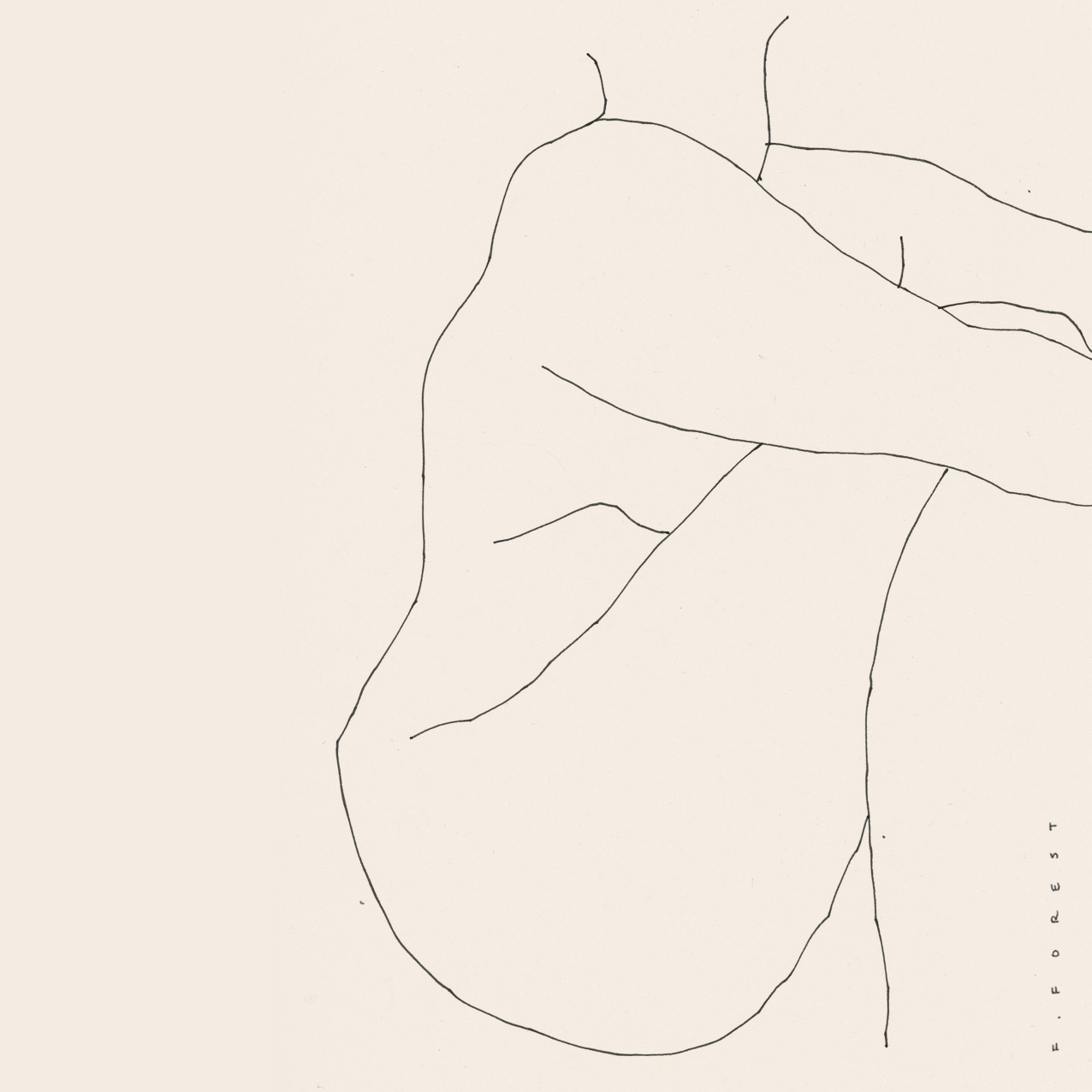
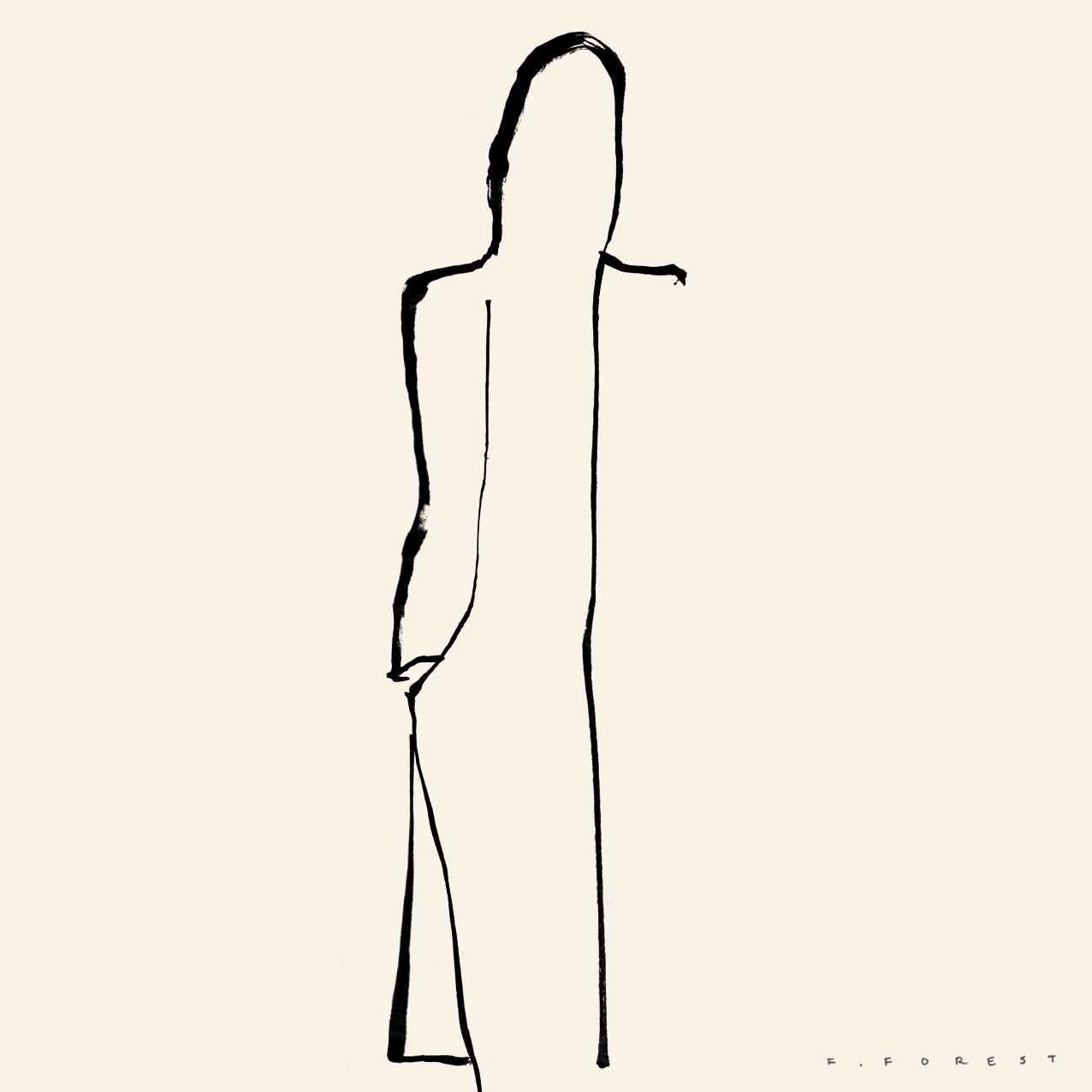
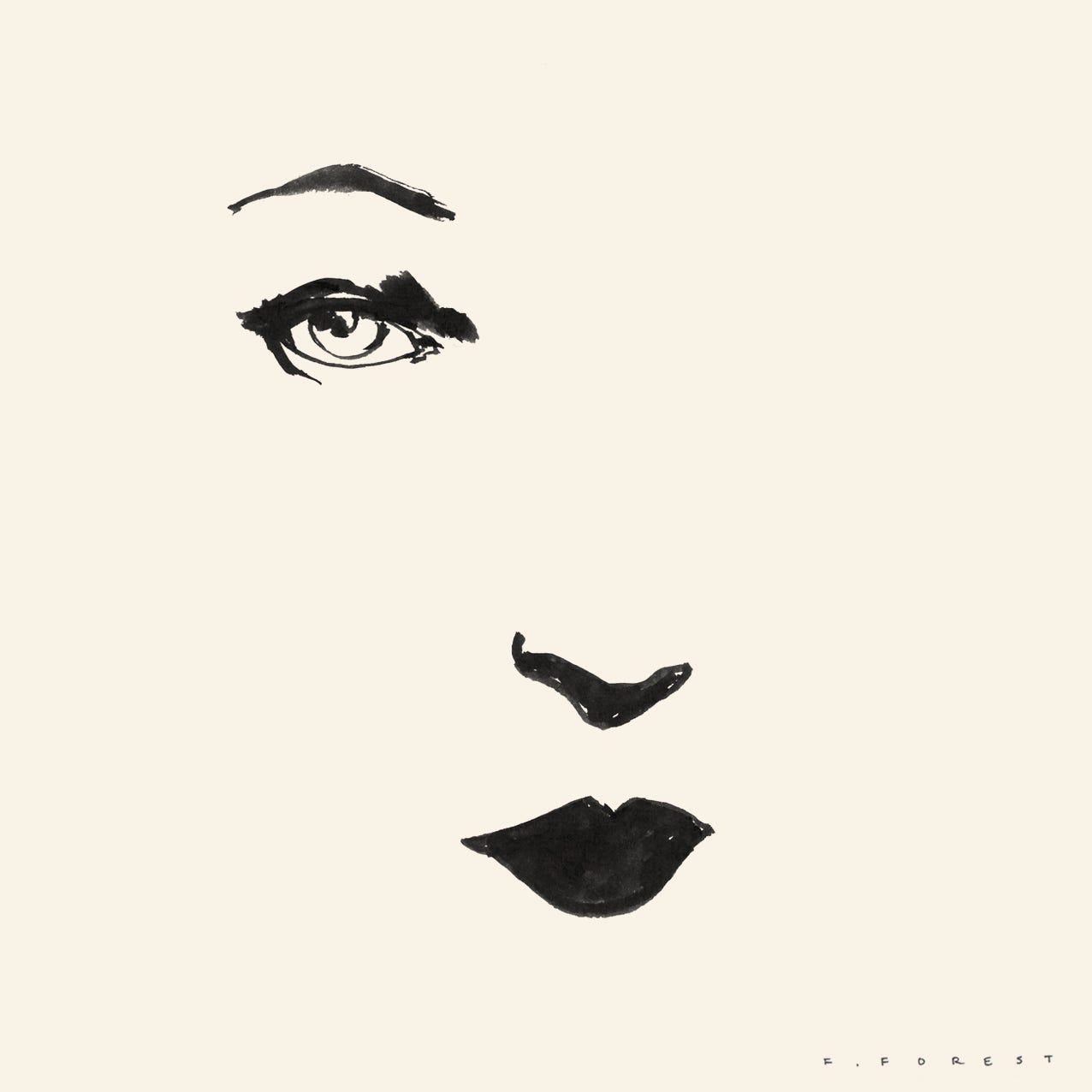
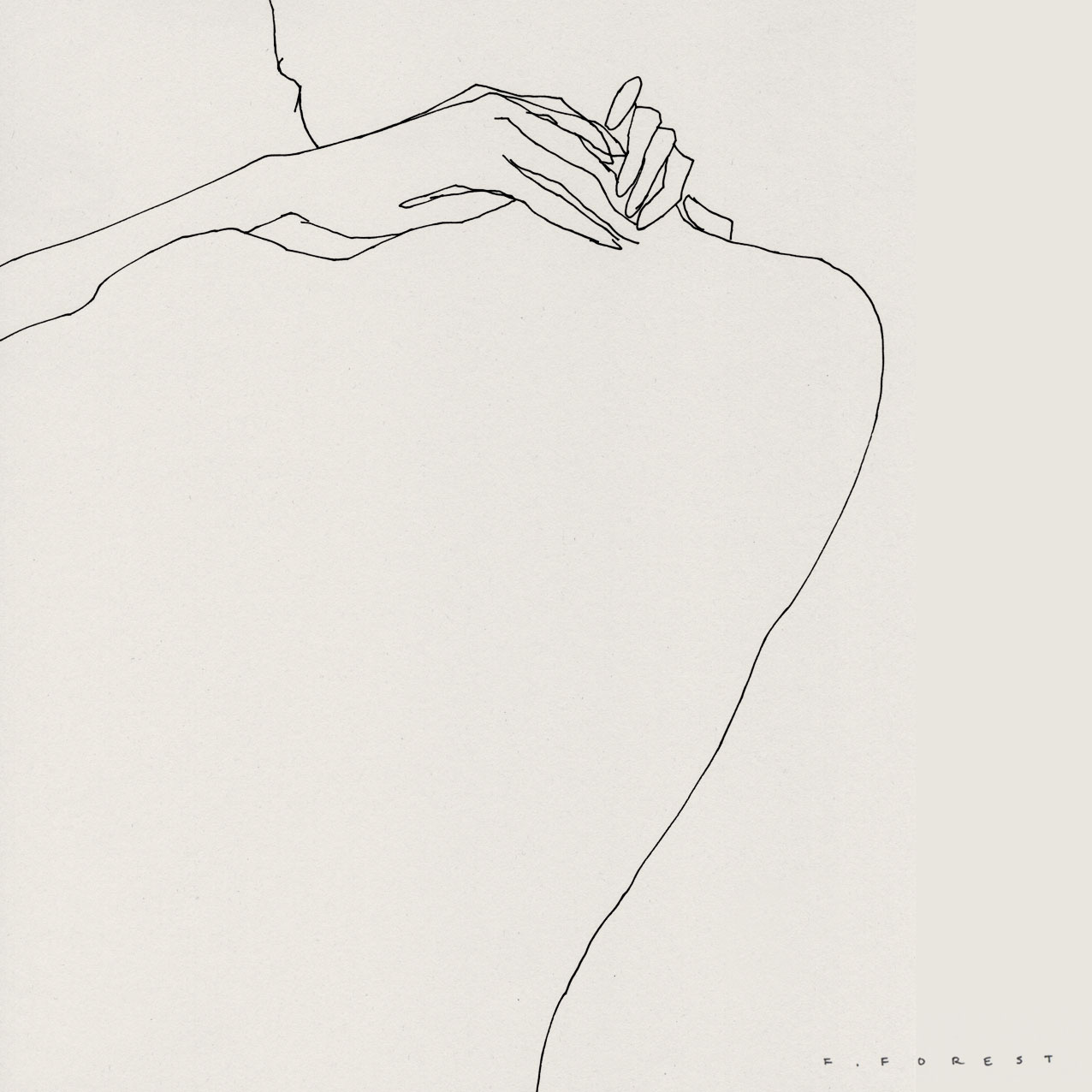
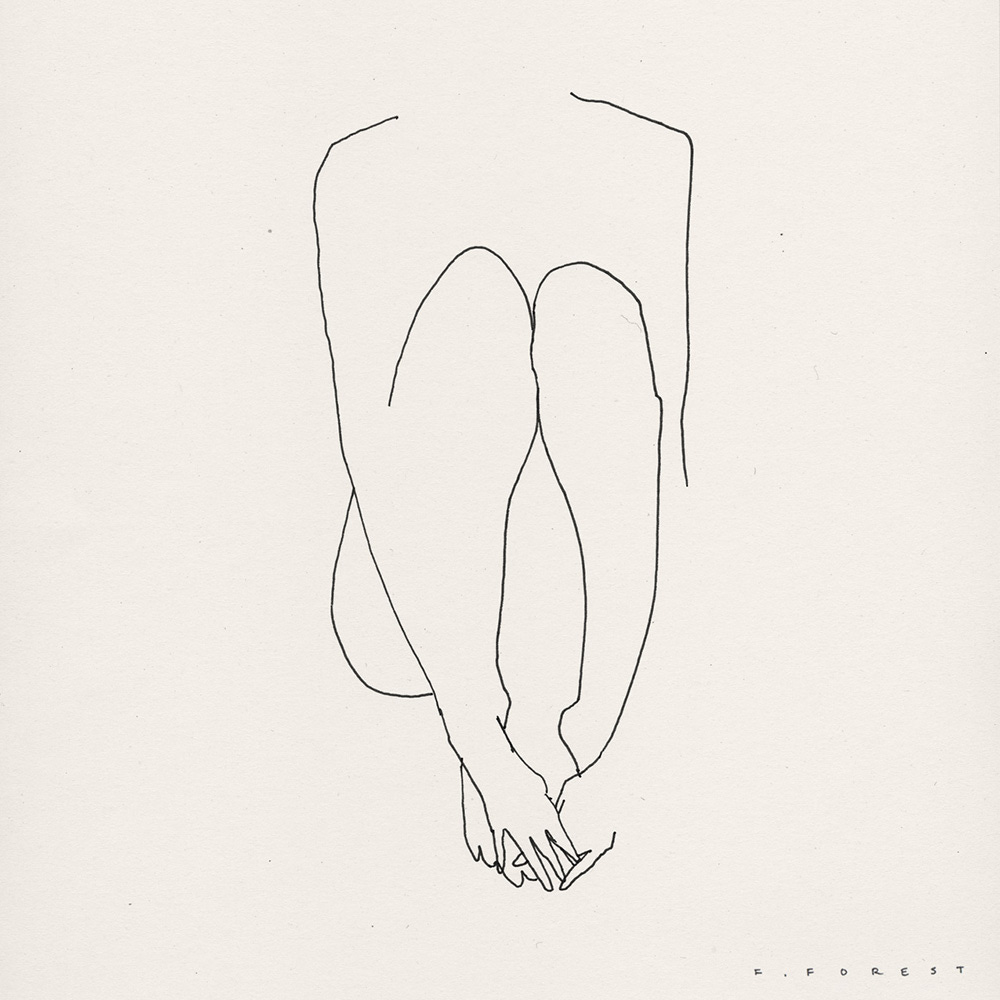
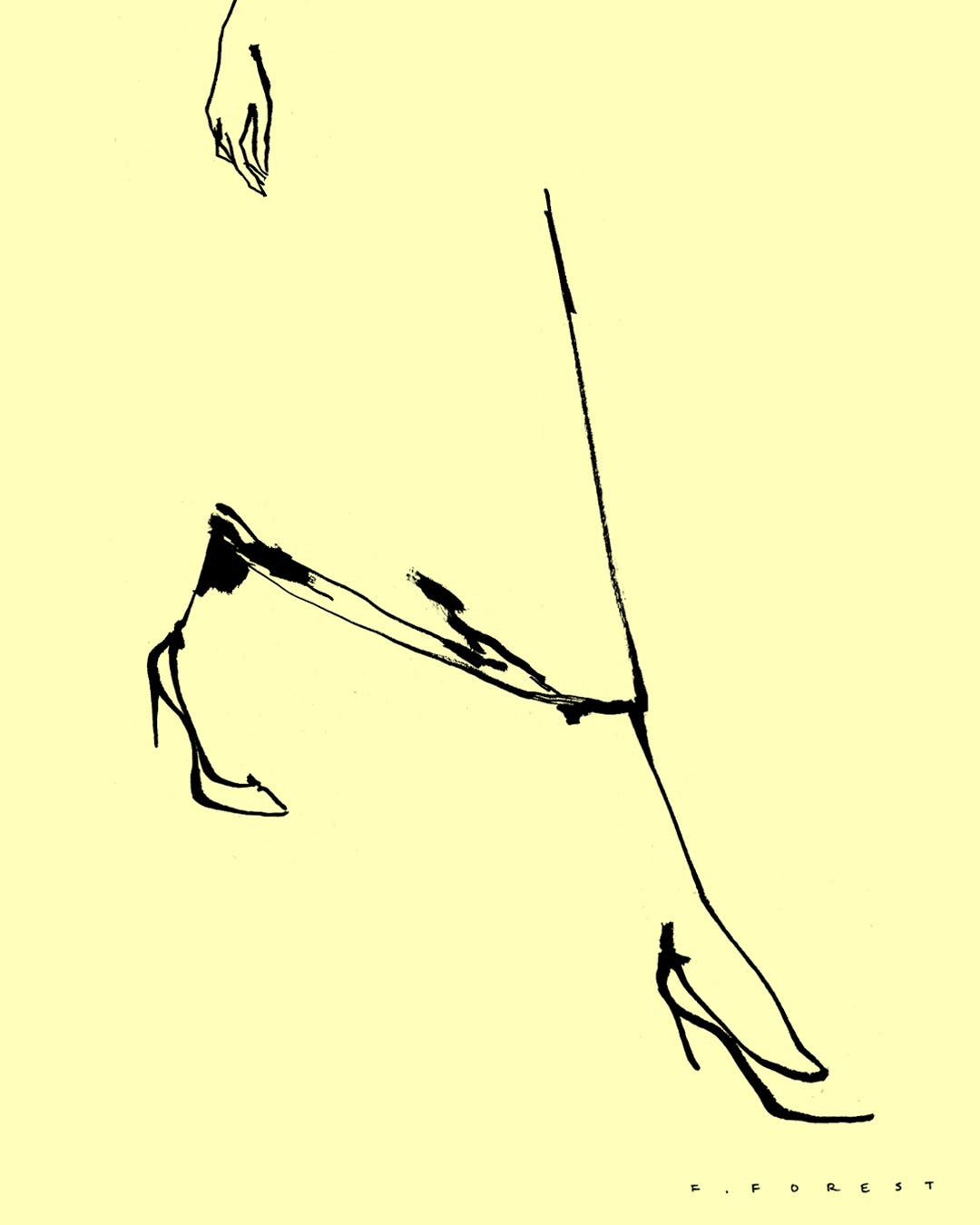
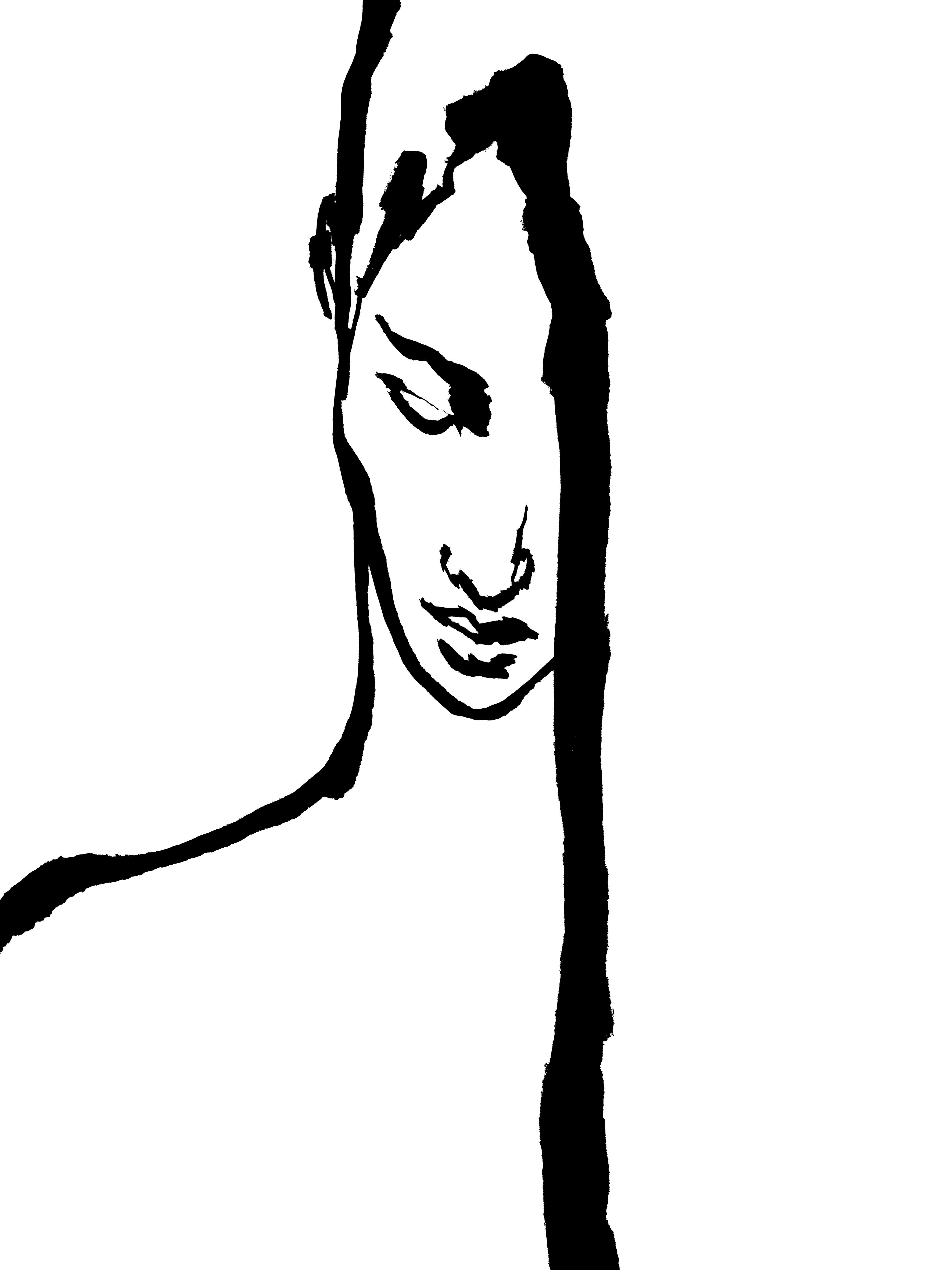
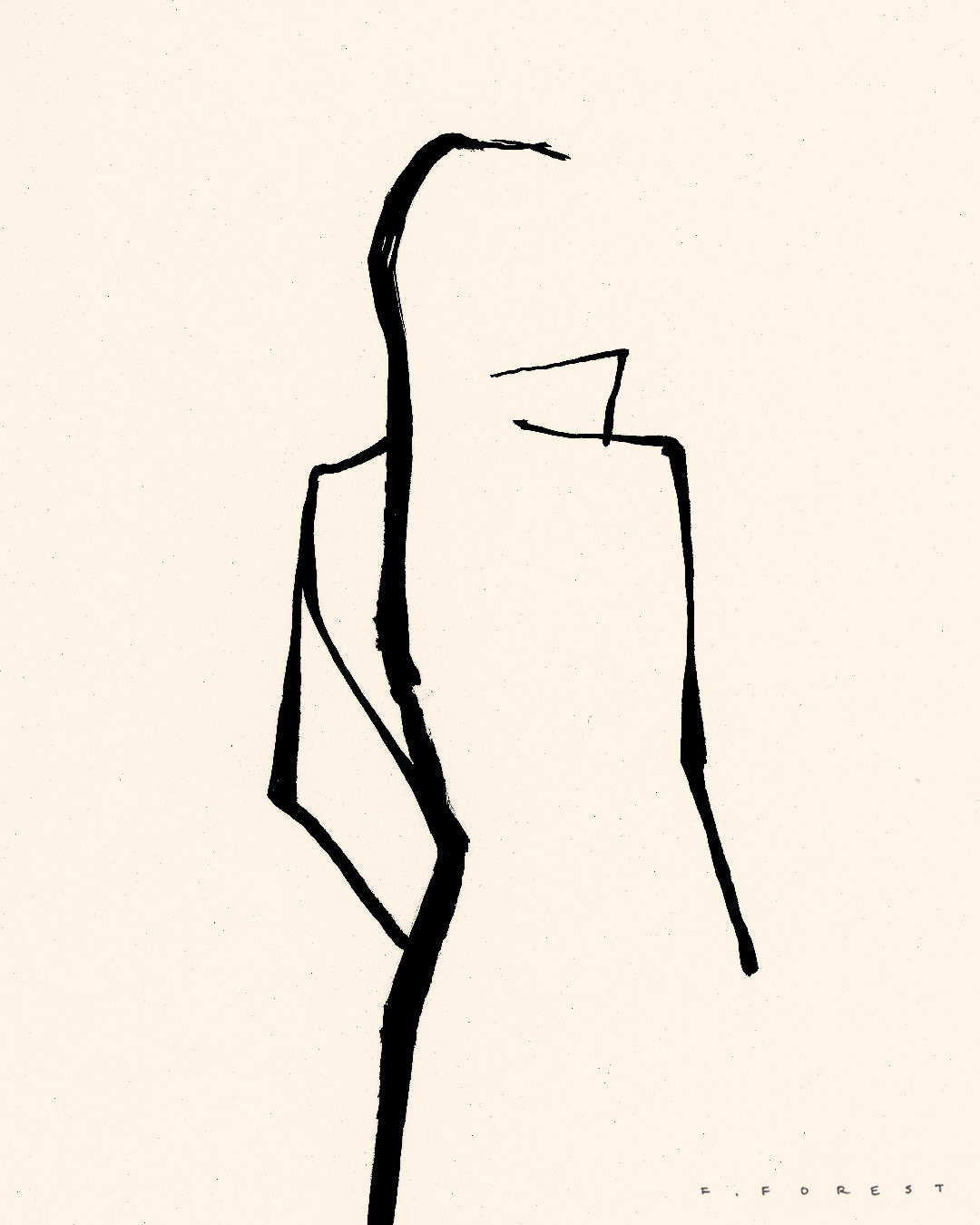
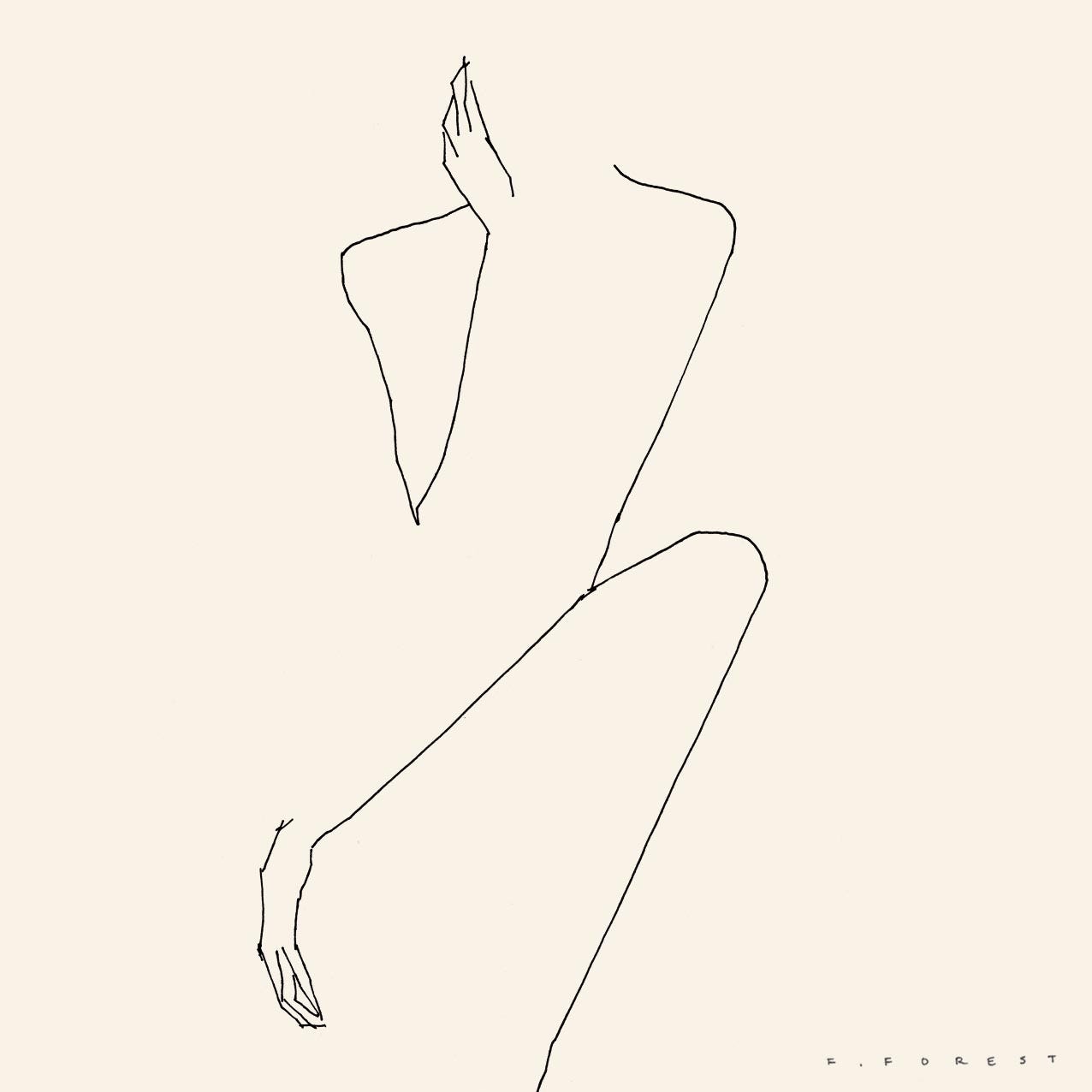
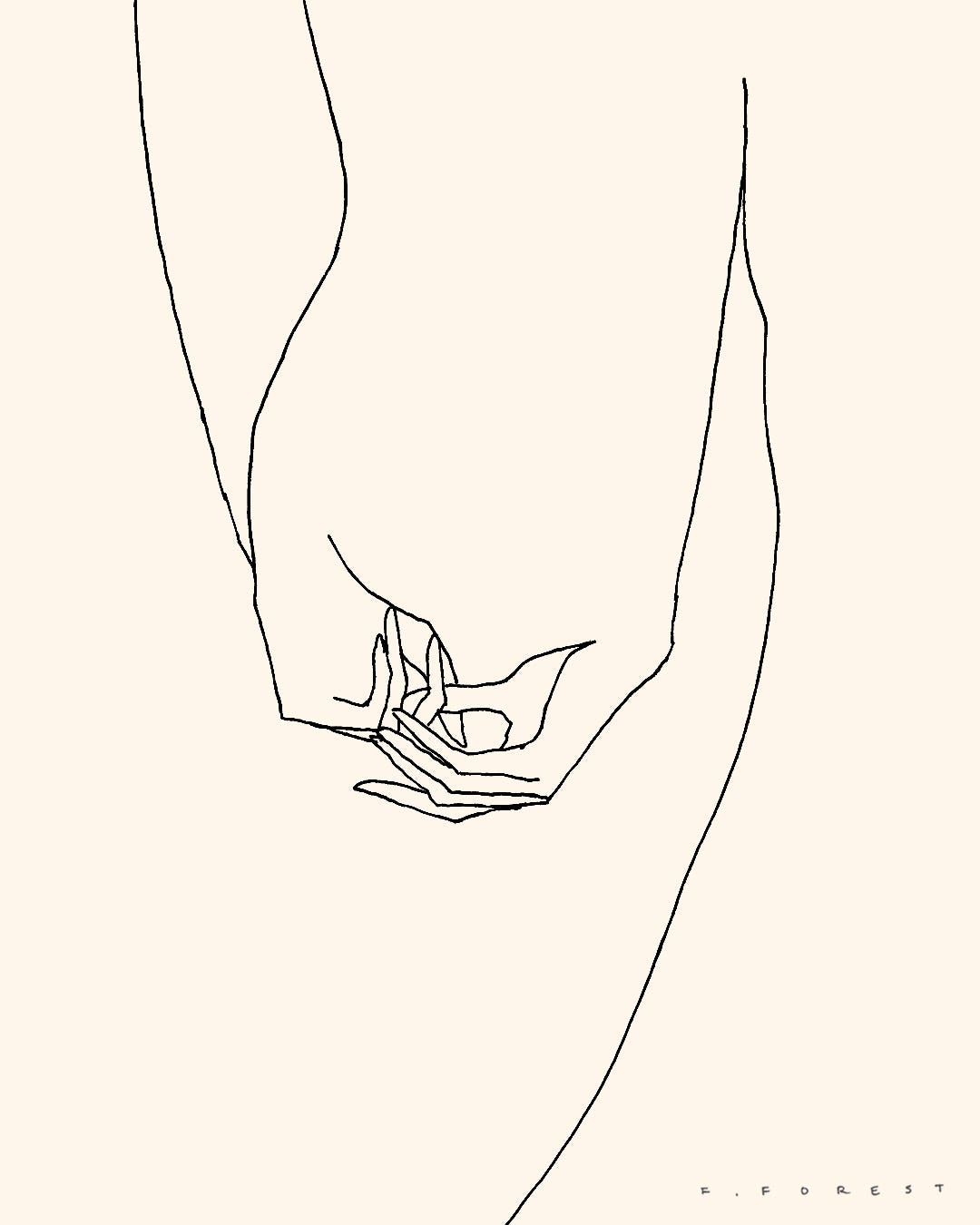
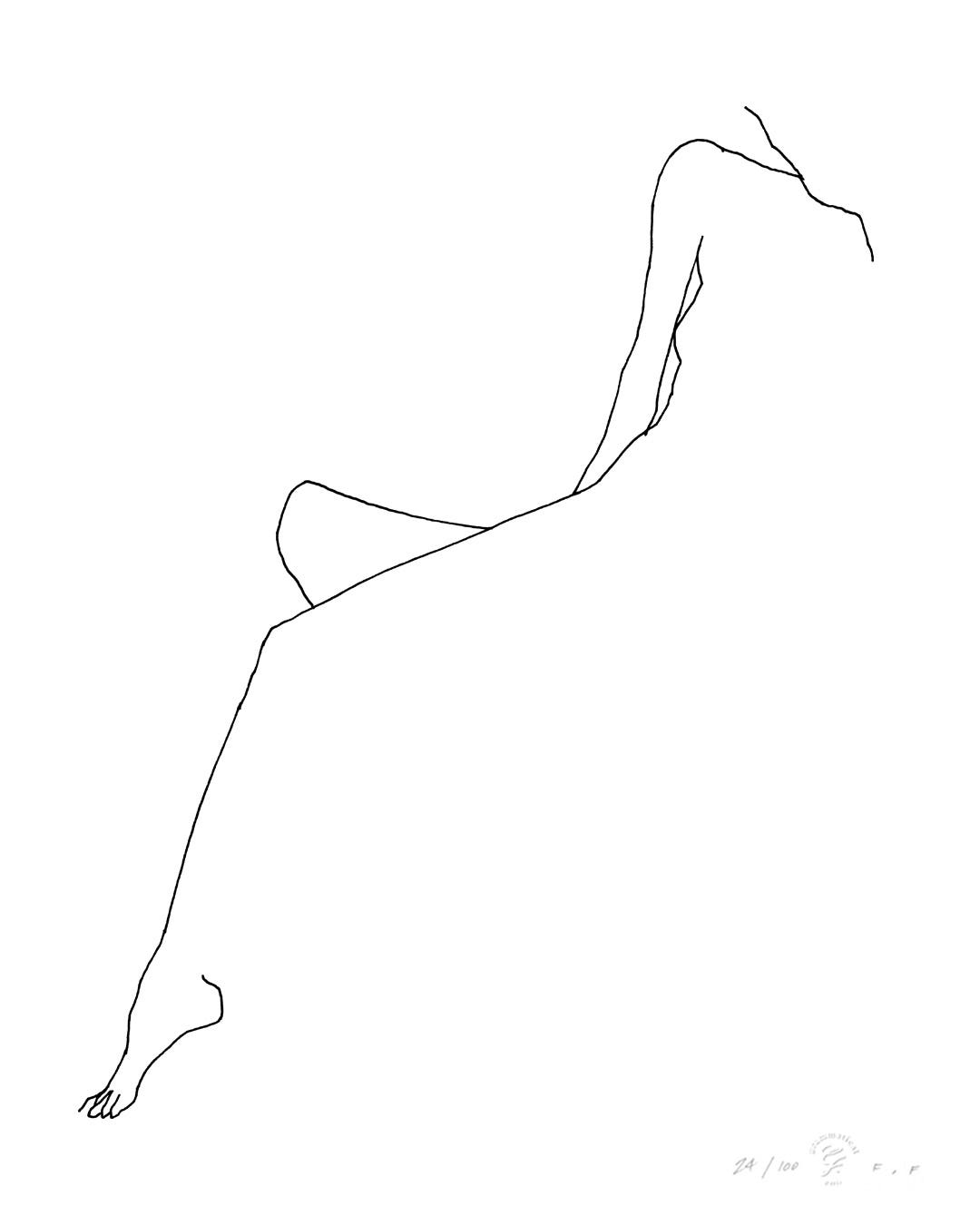
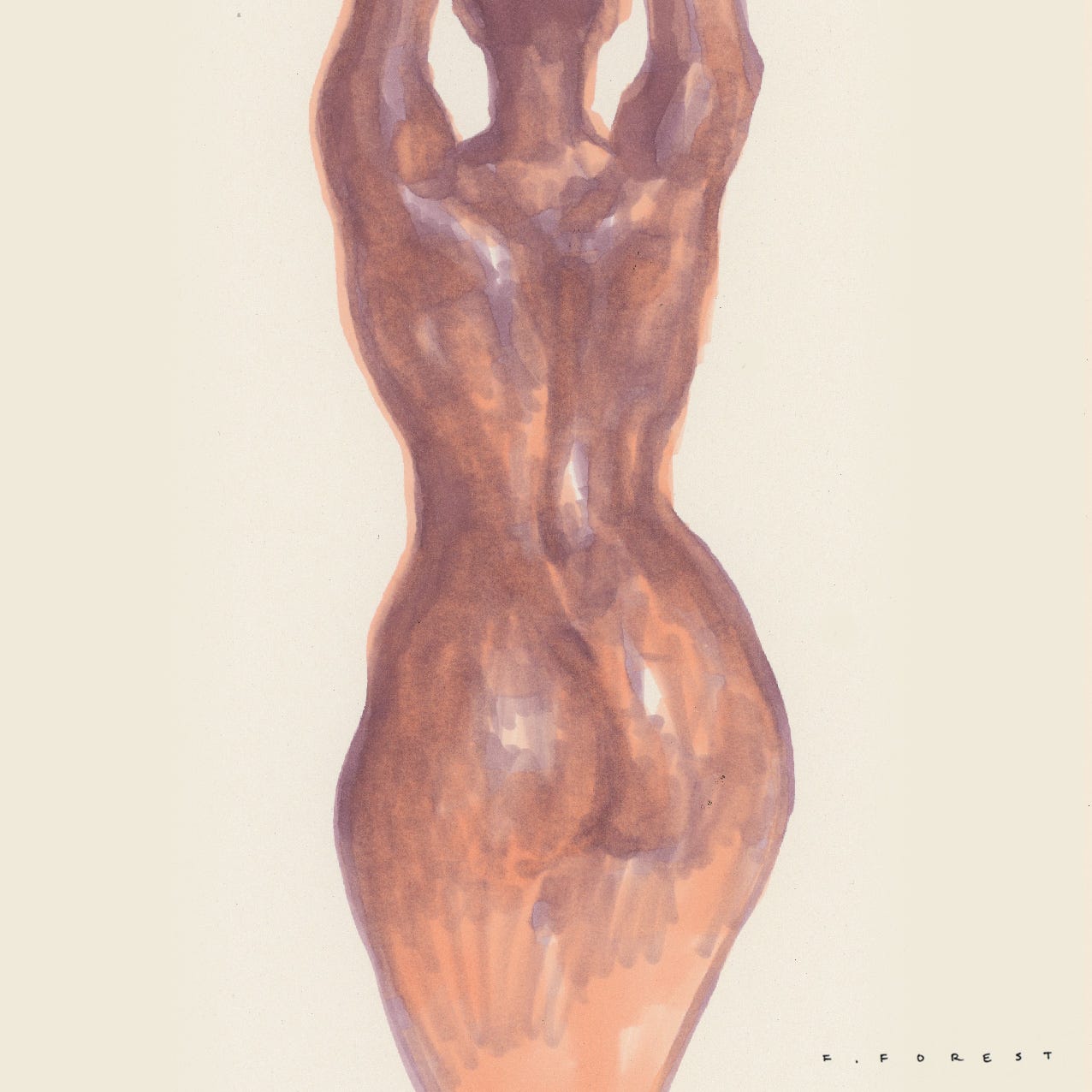
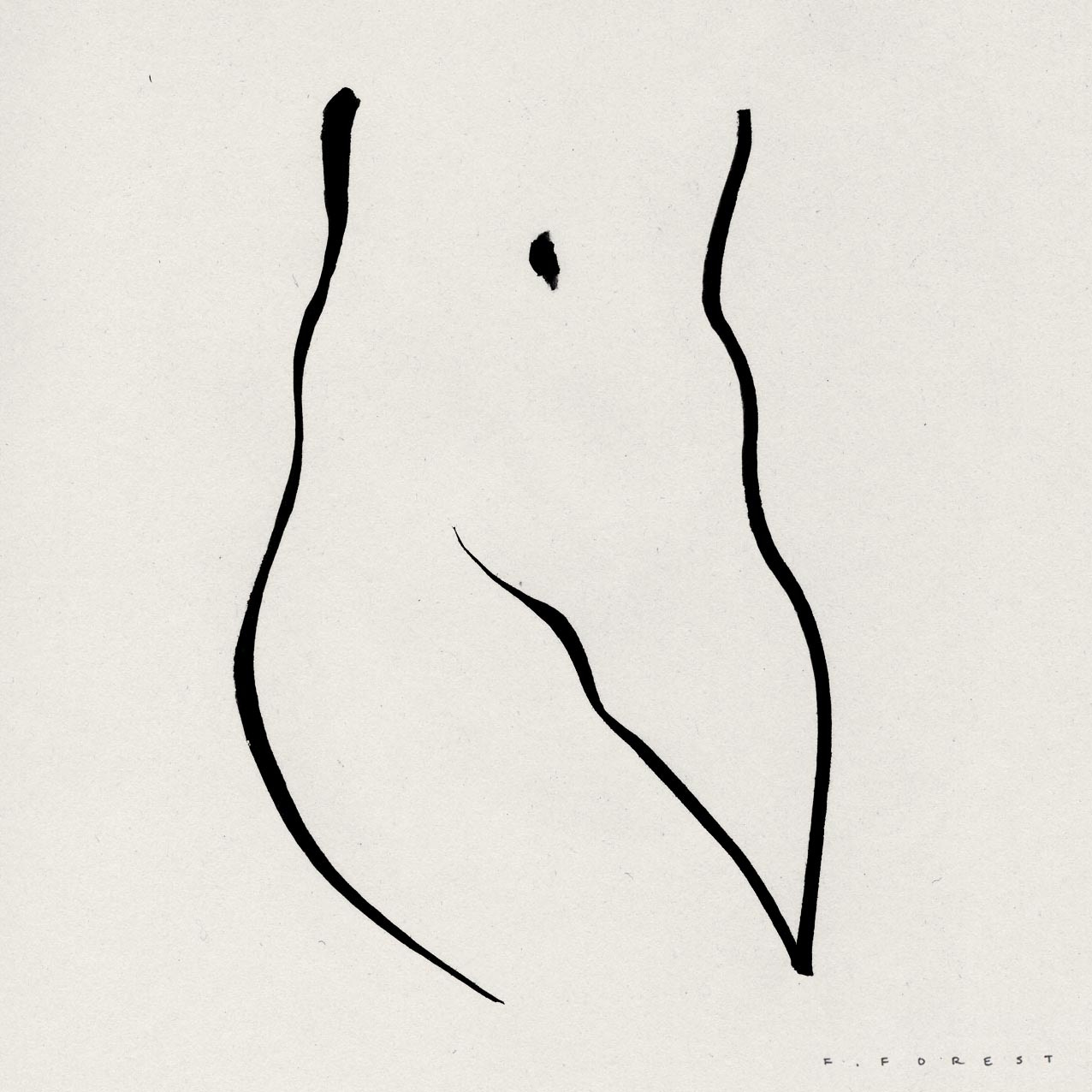
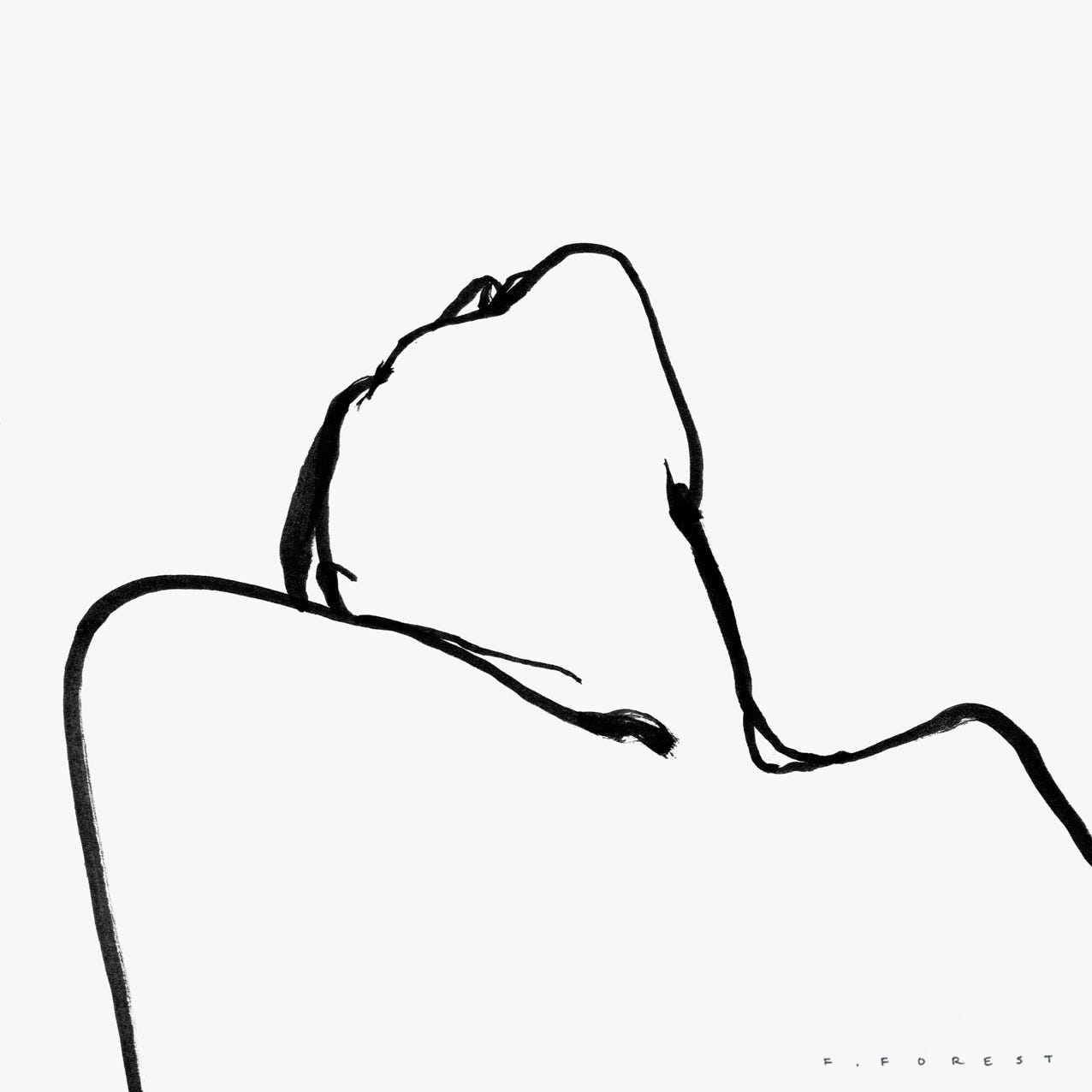
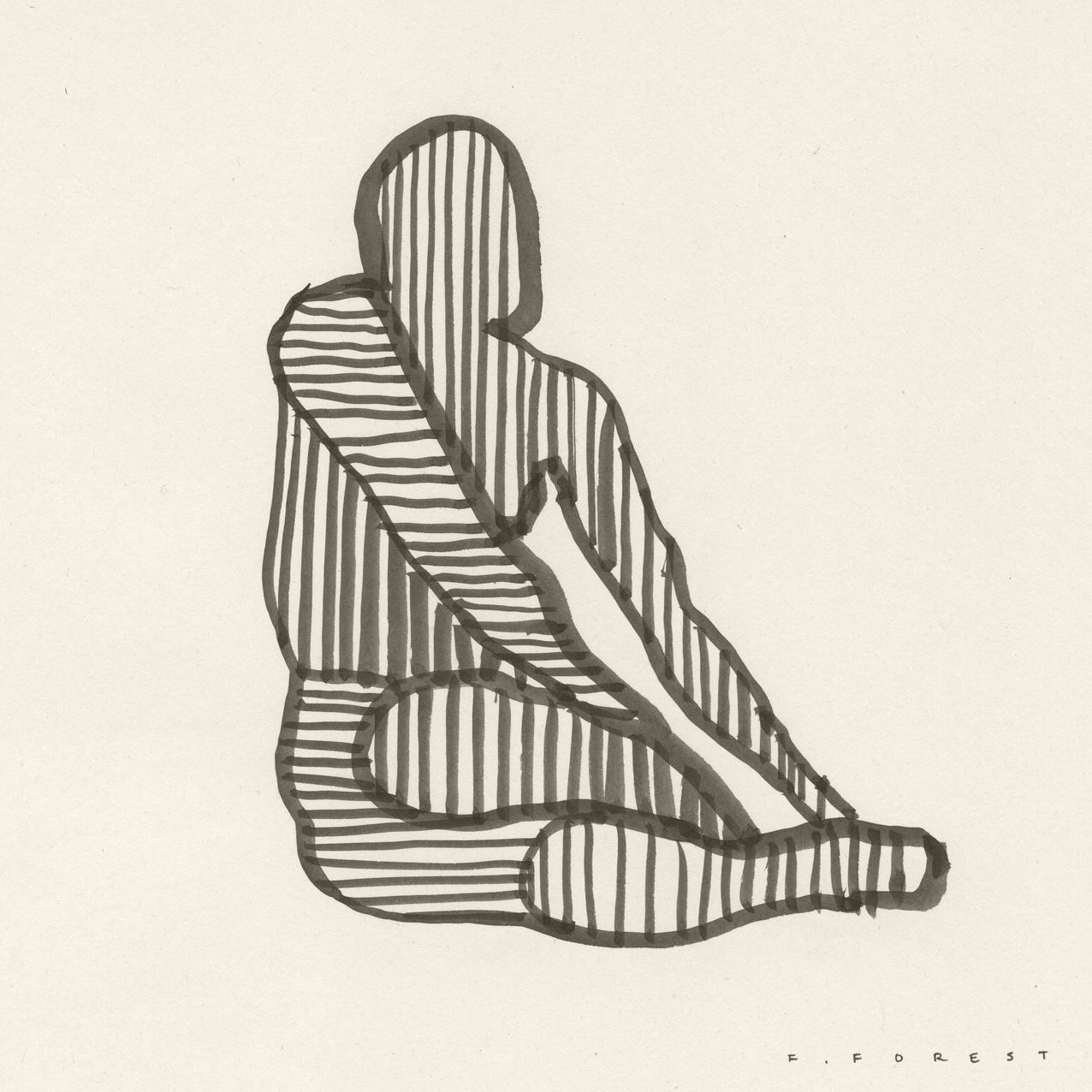
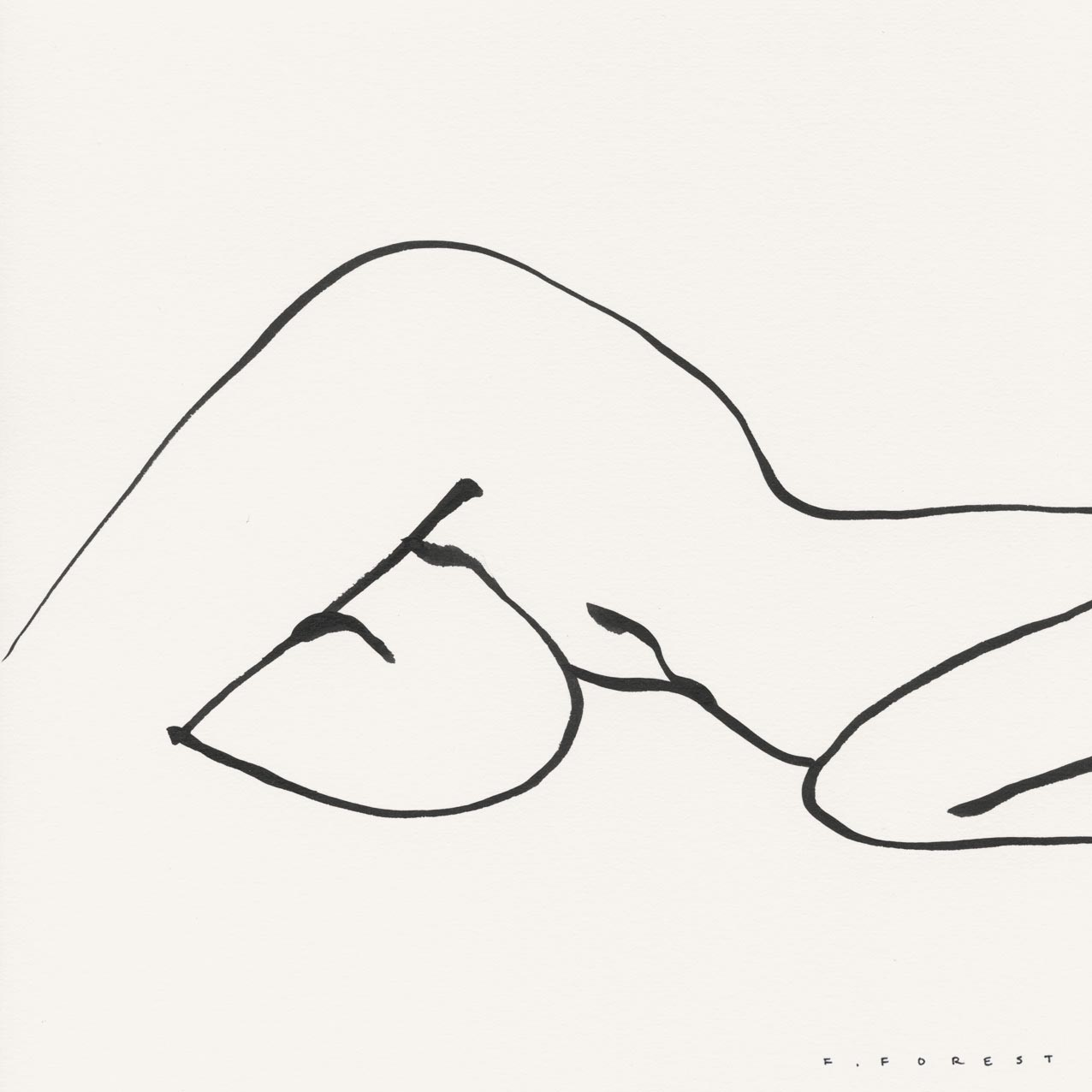
Not long ago, I wrote to you about my joy in depicting men or horses. Today, I want to return to my focus on women—or rather, what I prefer to call the feminine. My relationship with drawing women is almost the same as with any other subject. And yet, women’s figures seem to dominate my work; algorithms have highlighted these series more than others. Maybe it’s also because so few—or too few—people draw or represent them this way: simply, naturally, with all the beauty in the world. With the most beautiful way I can. To draw women as eloquently as they are.
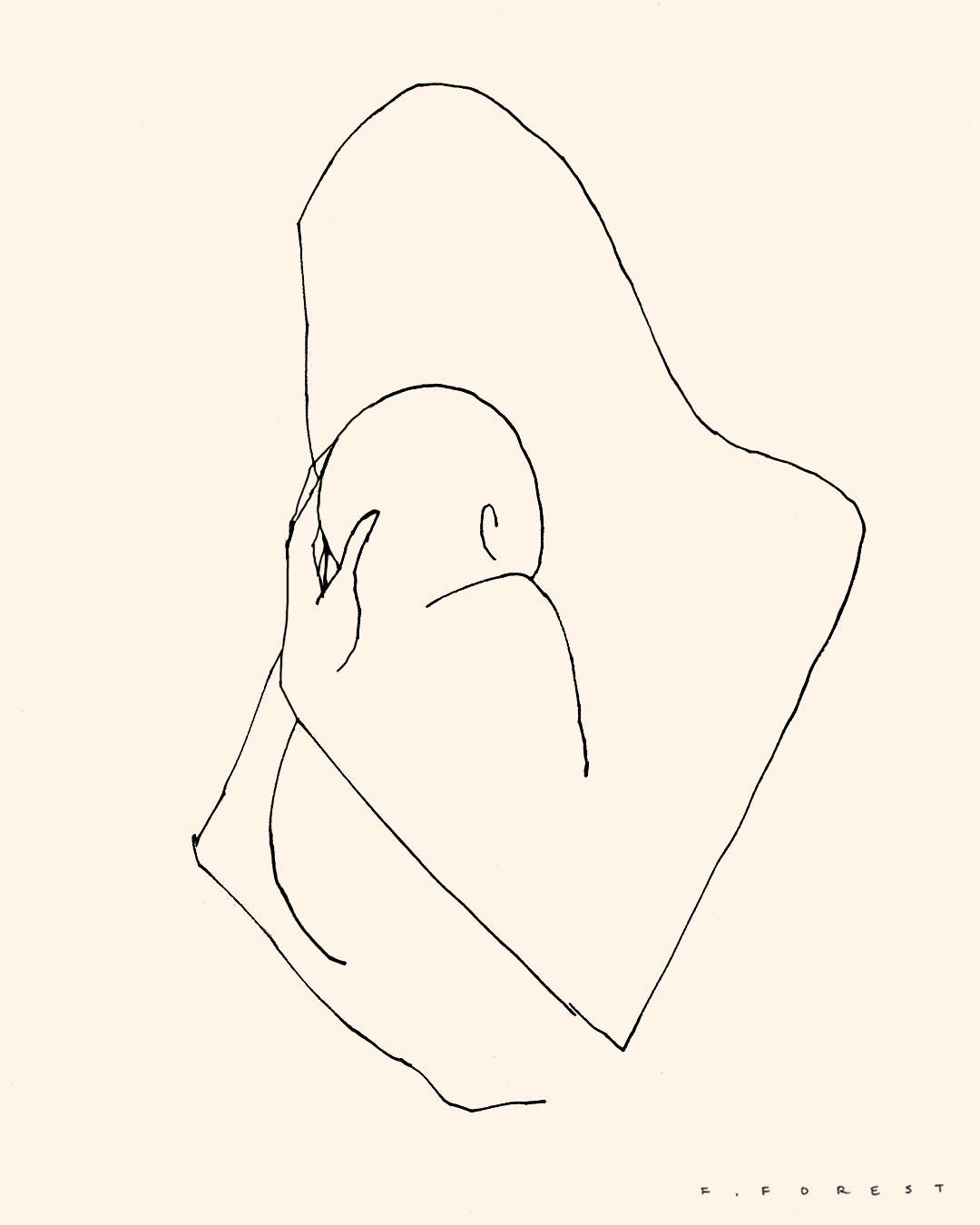
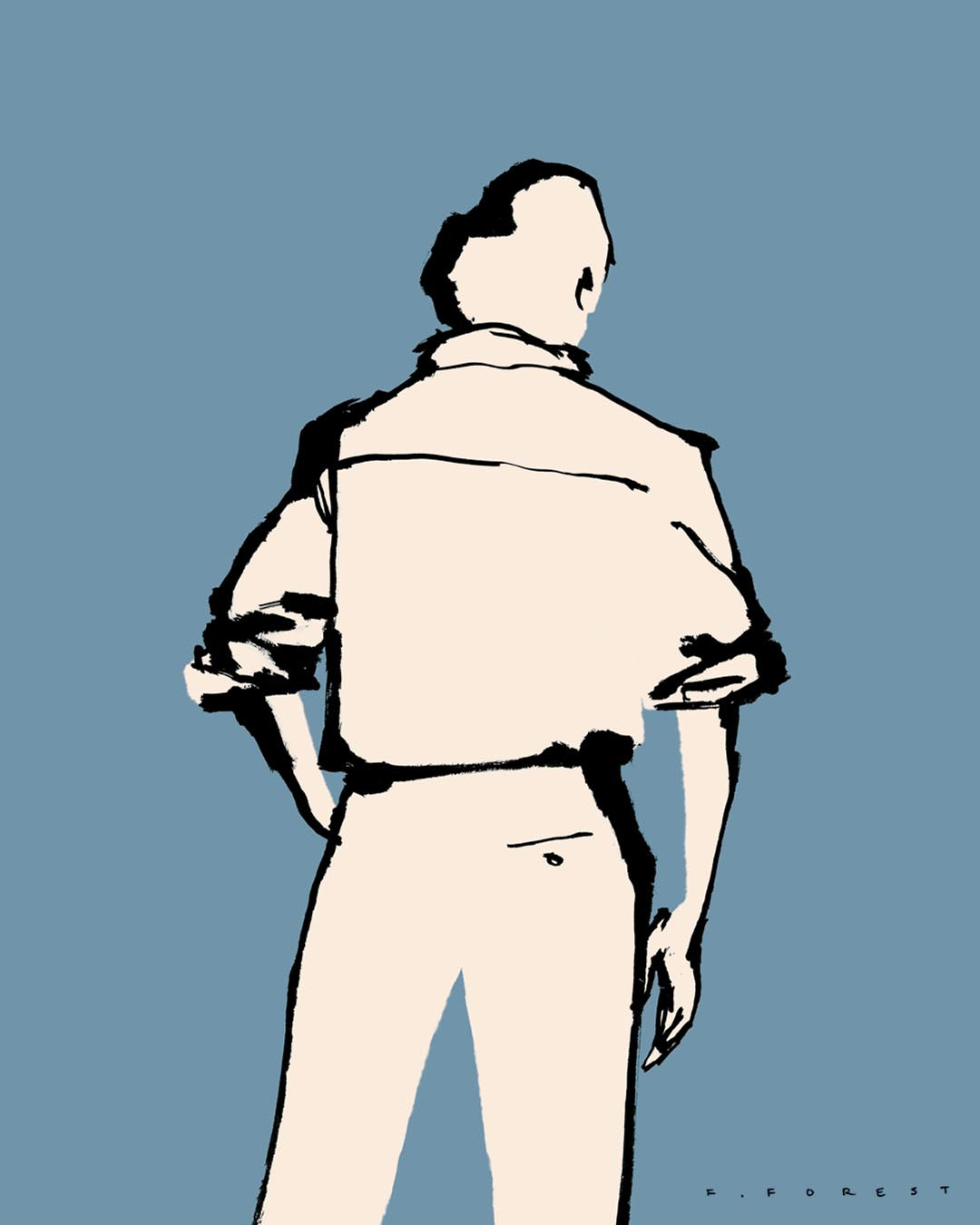
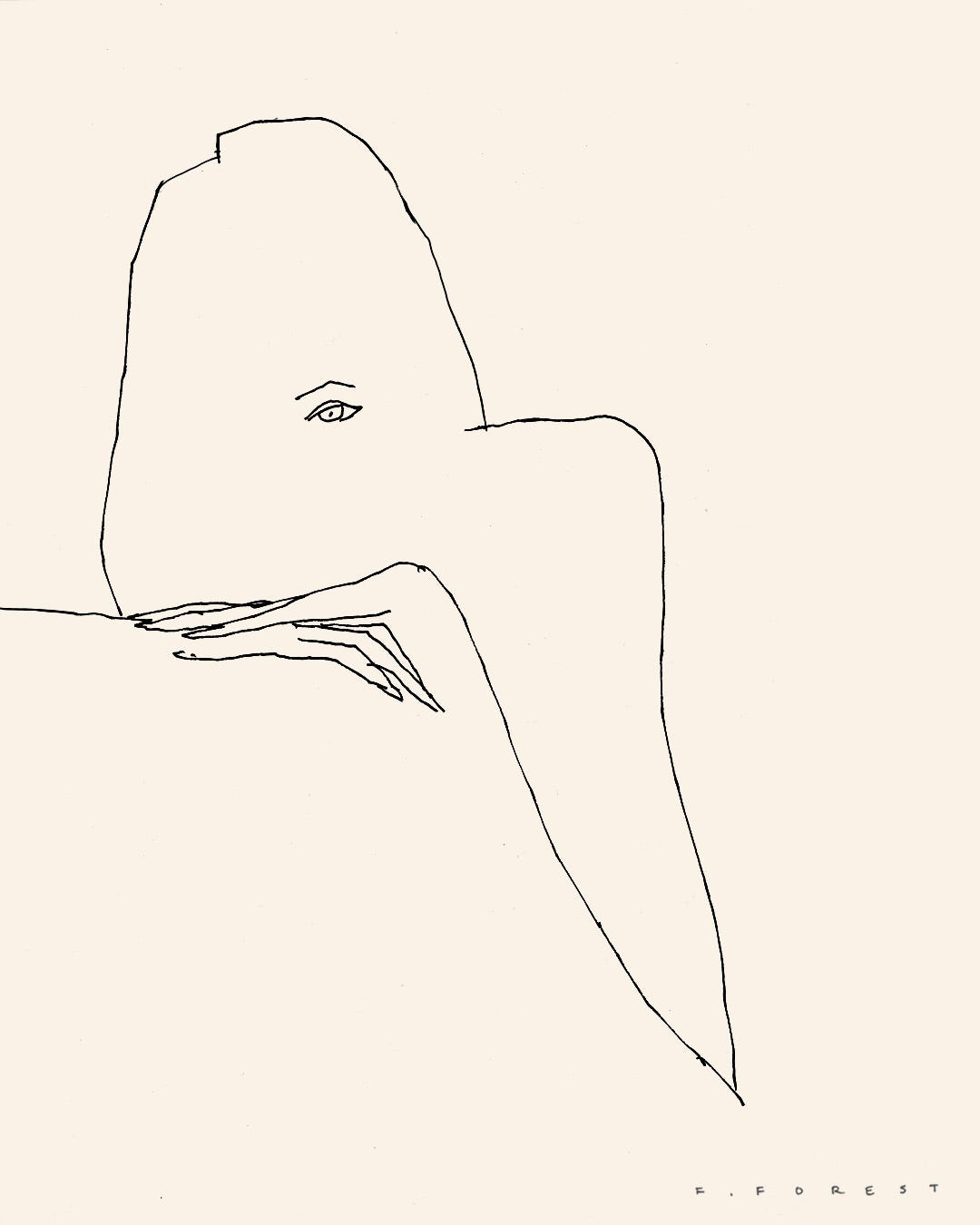
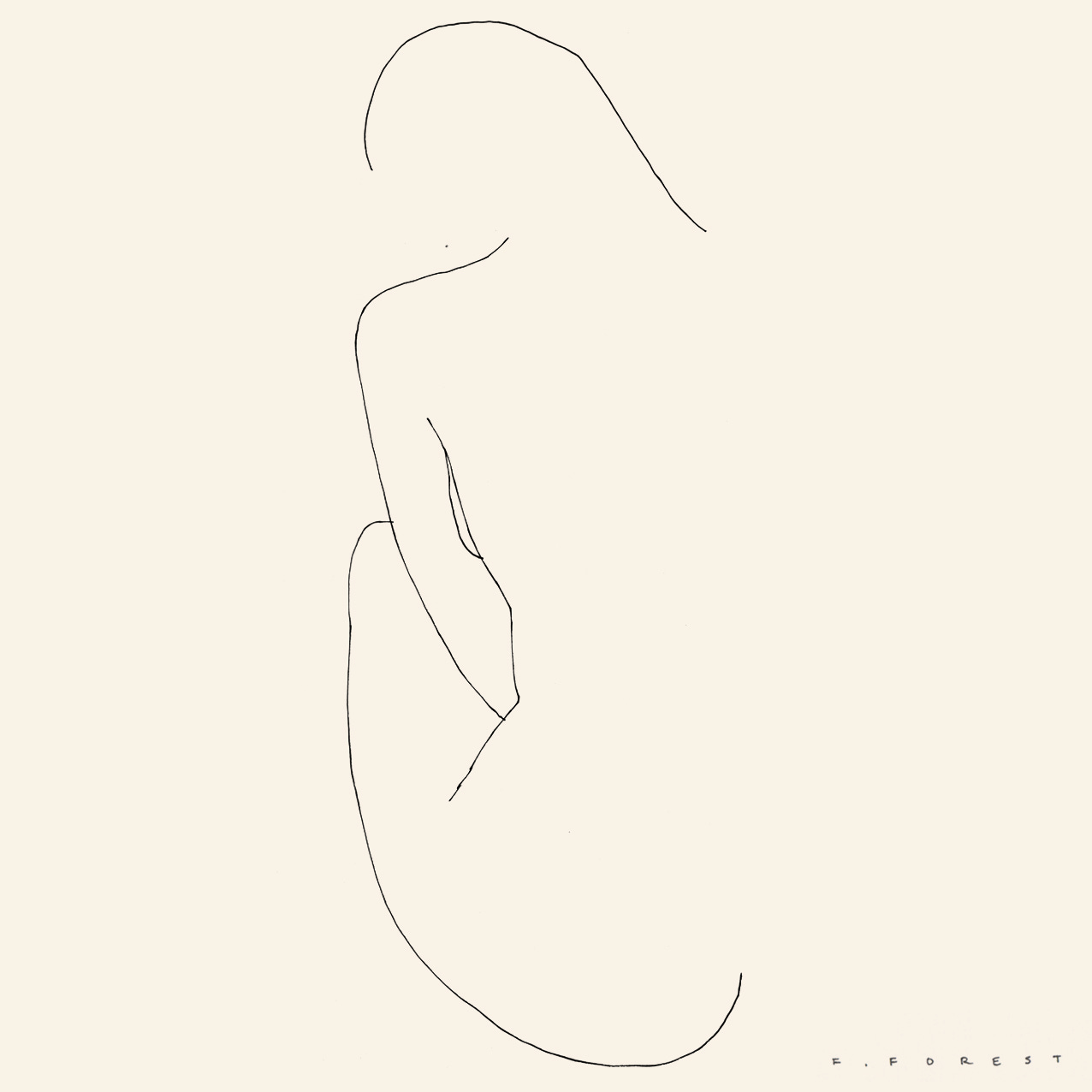
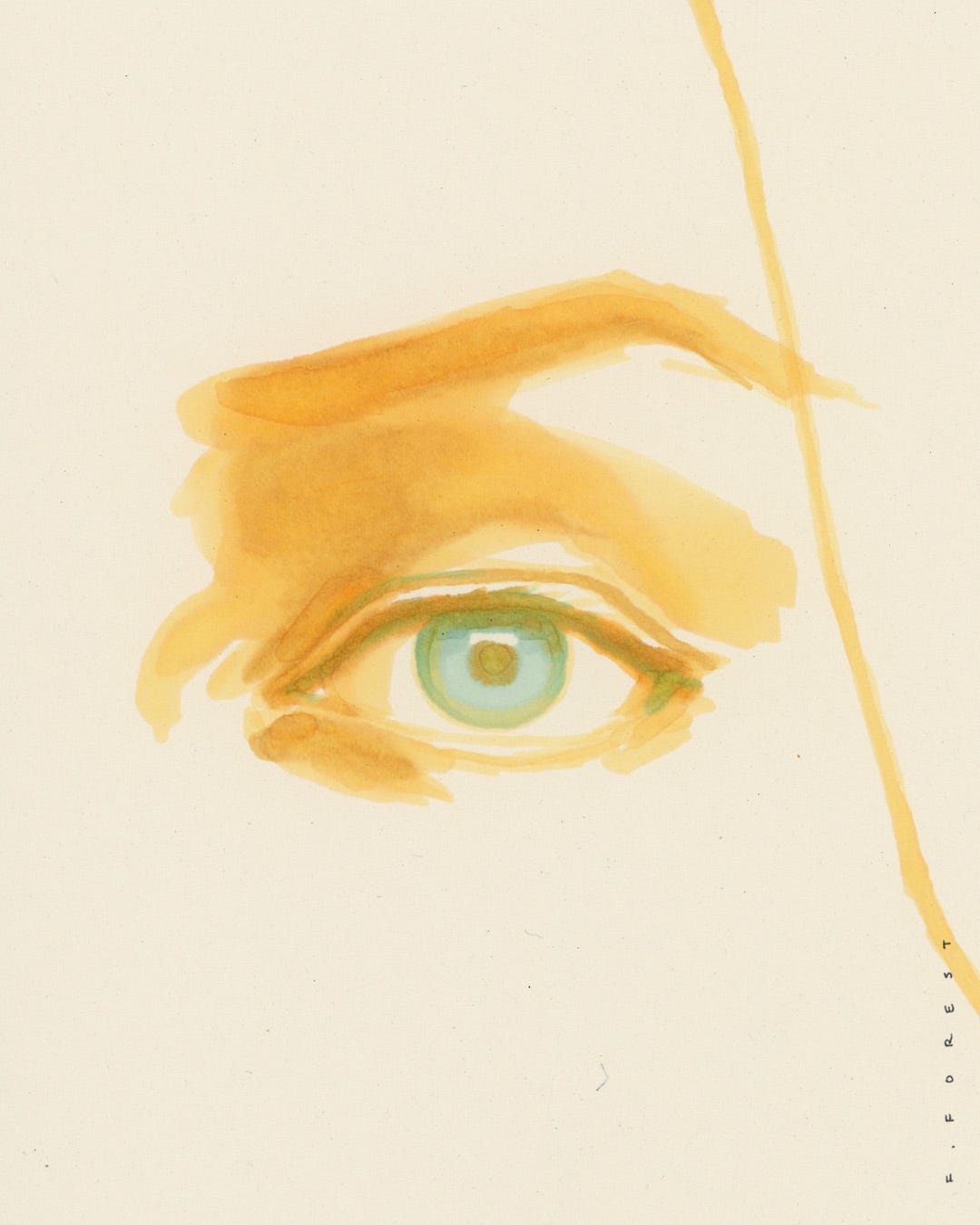
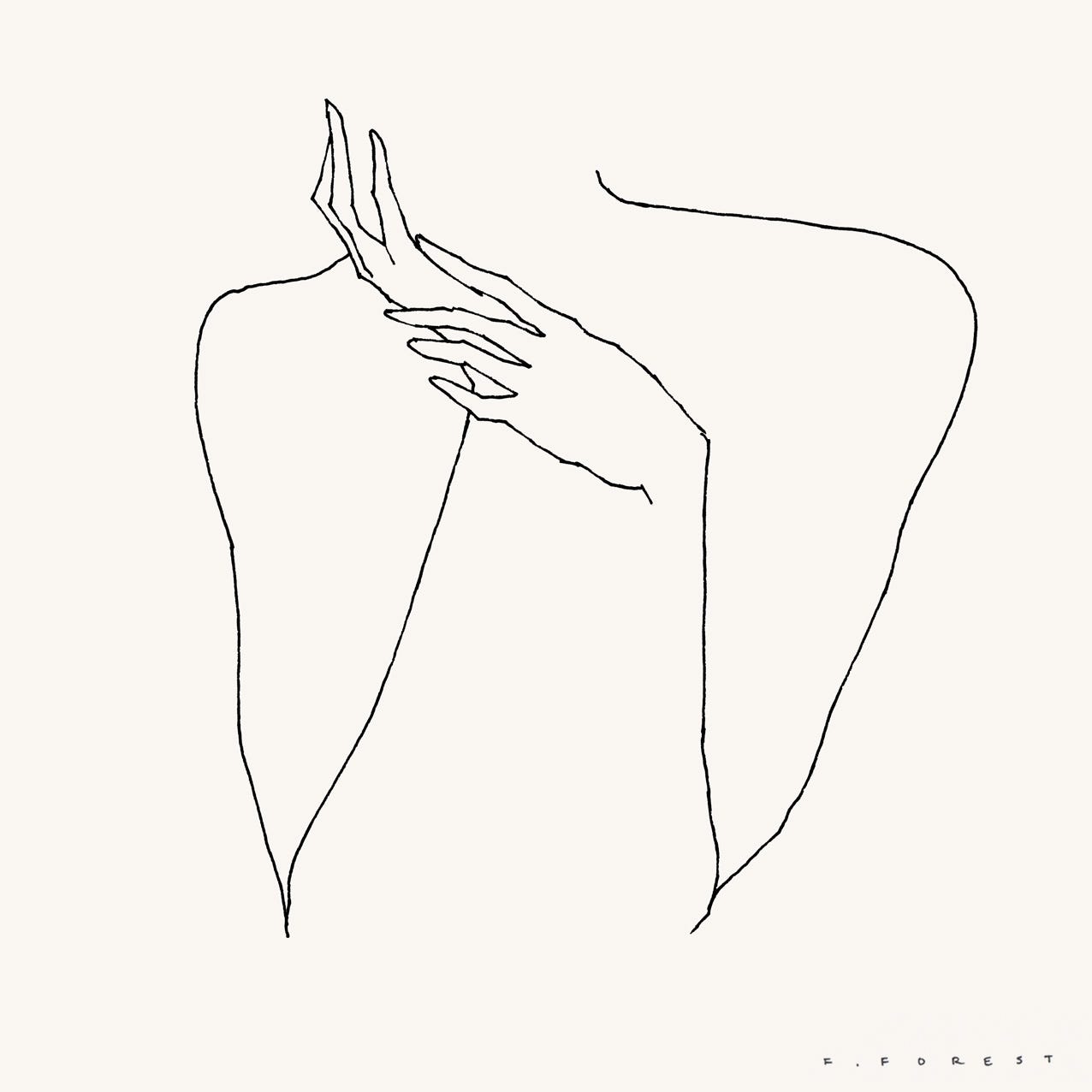
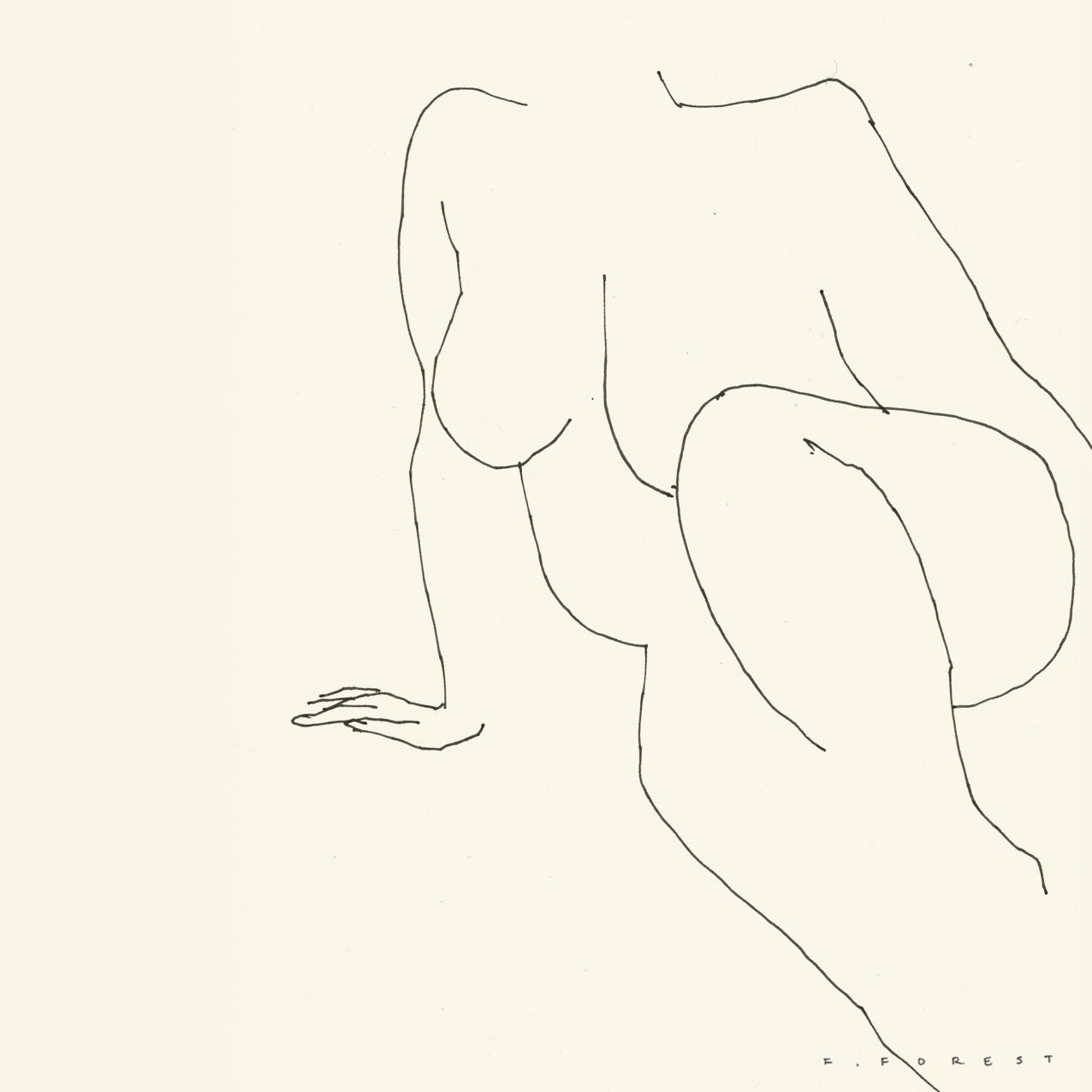
Well, I grew up in a feminine family—mother, sisters, aunts, grandmothers—and as the father of a girl. So my imagination, my visual world, is feminine. Shaped by fashion magazines, by conversations about their daily lives, their thoughts, their ideas, their visions—even if I know these are the perspectives of European women, French women specifically, in a situation of economic and cultural privilege compared to much of the rest of the world.
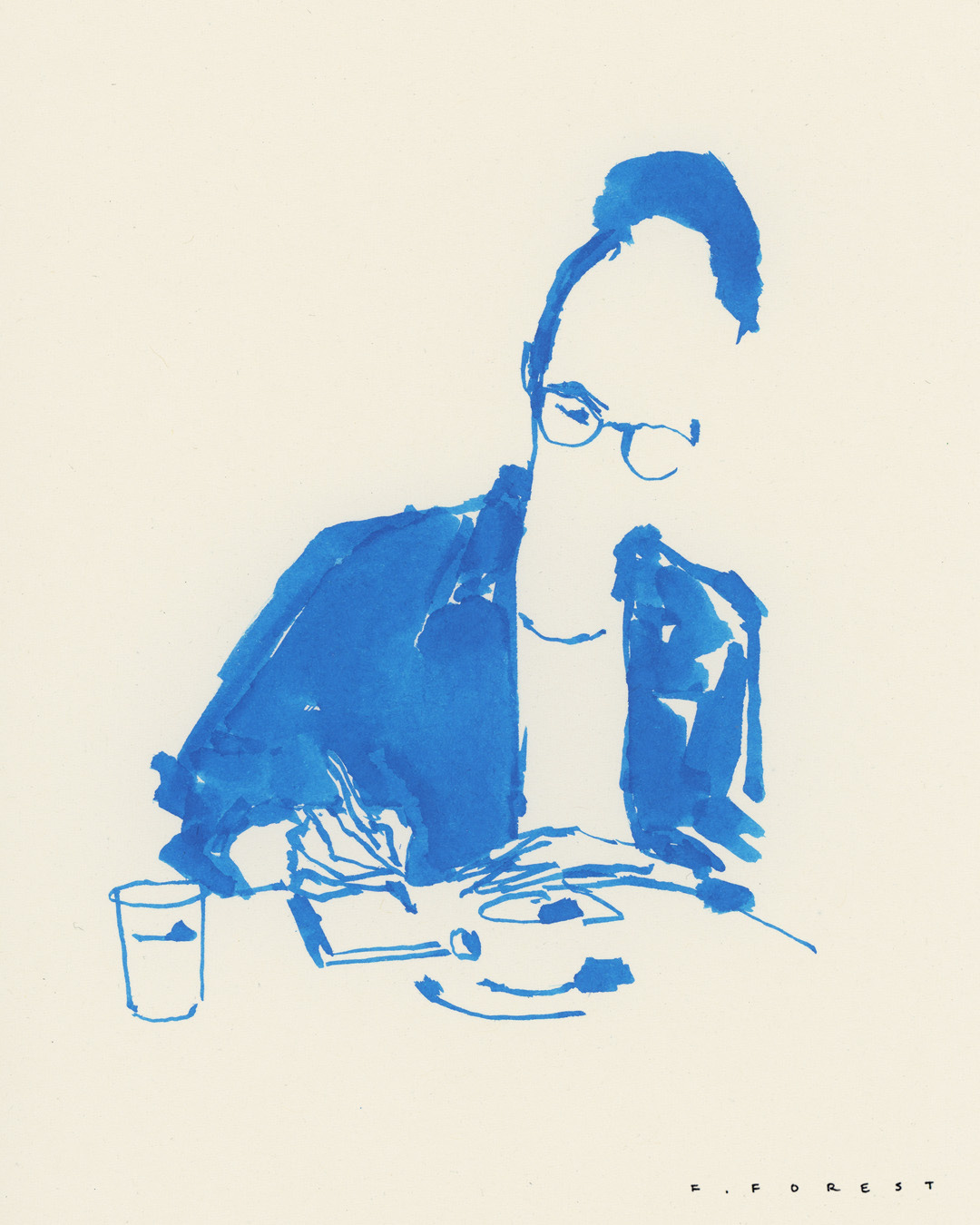
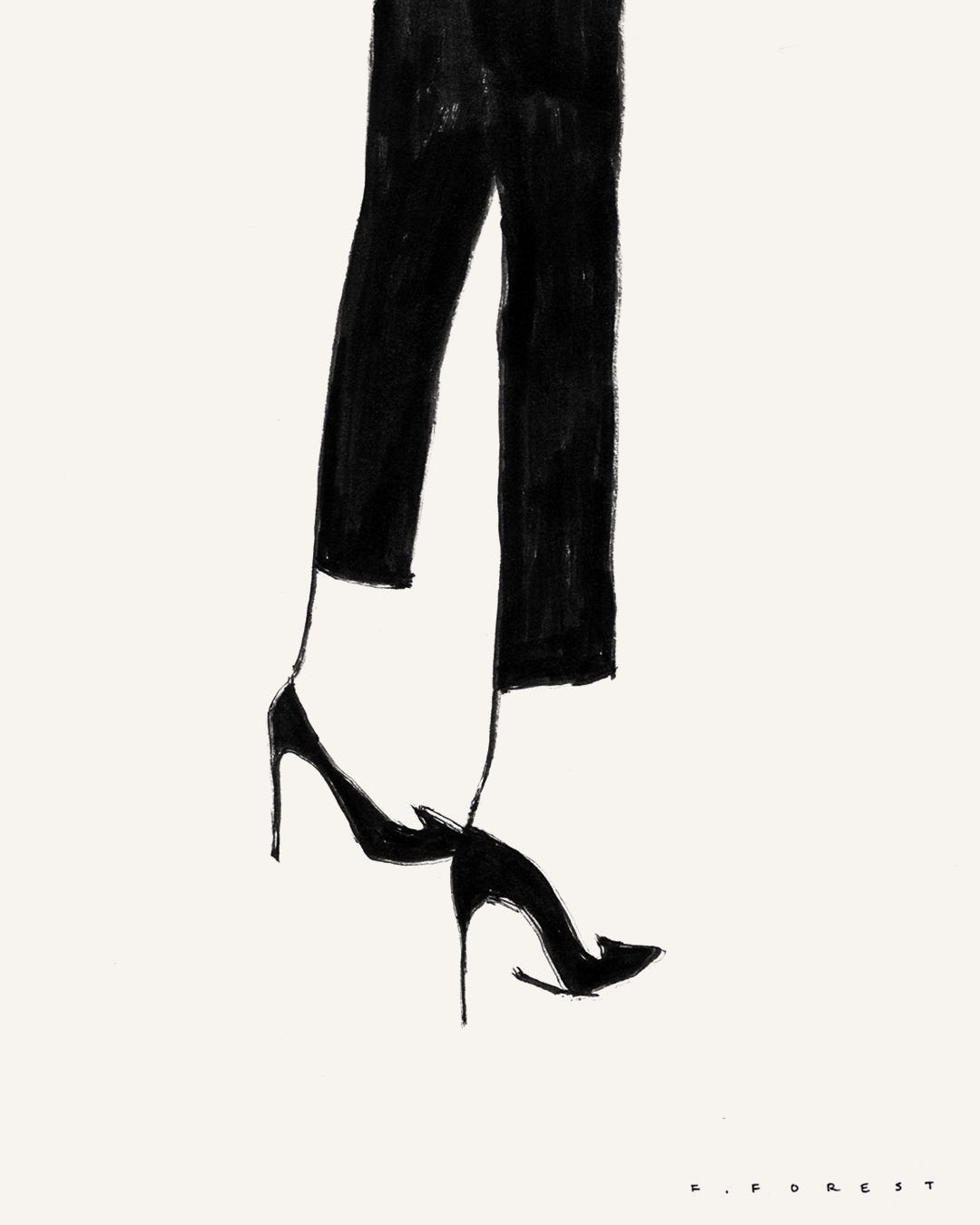
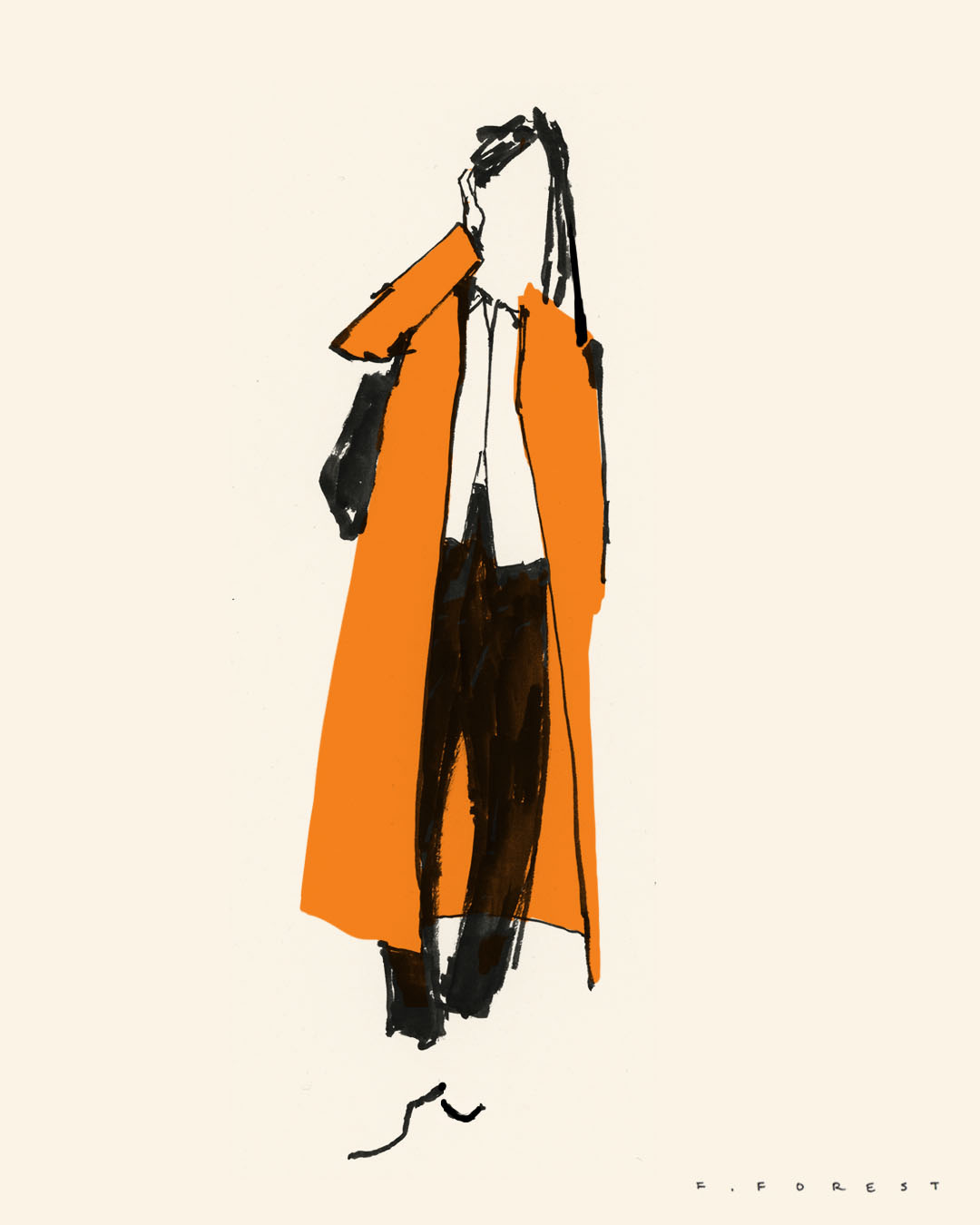
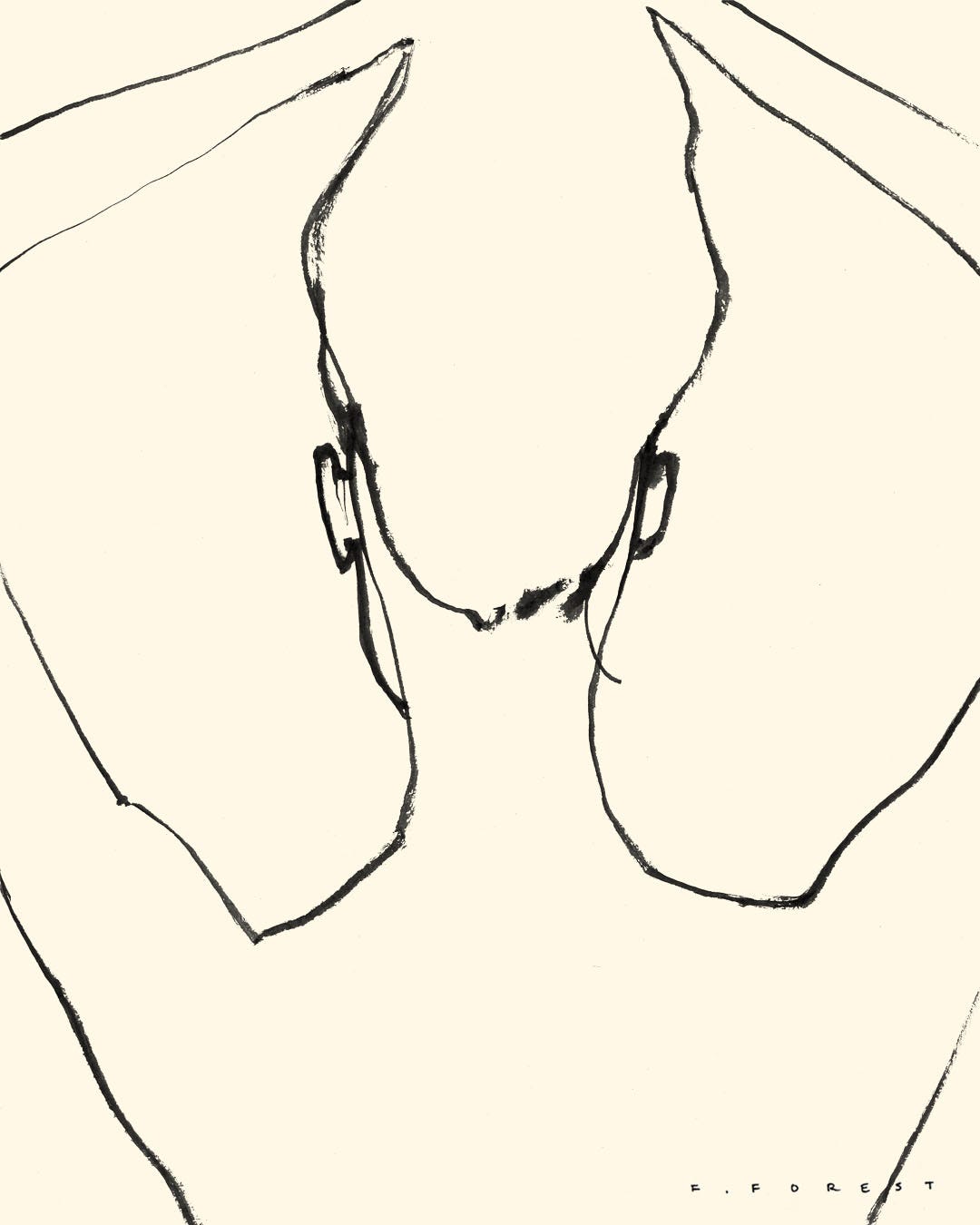
I try to draw women as they are, not as I’d like them to be. But, as I said, I draw men too. Women have always been a huge inspiration. The subjects for drawing seem endless: from bodies to fashion, to attitudes in daily moments. From walking in the streets, dressing or undressing, swimming or resting, motherhood, desire, tenderness. Especially tenderness. And beauty. We need so much of it.
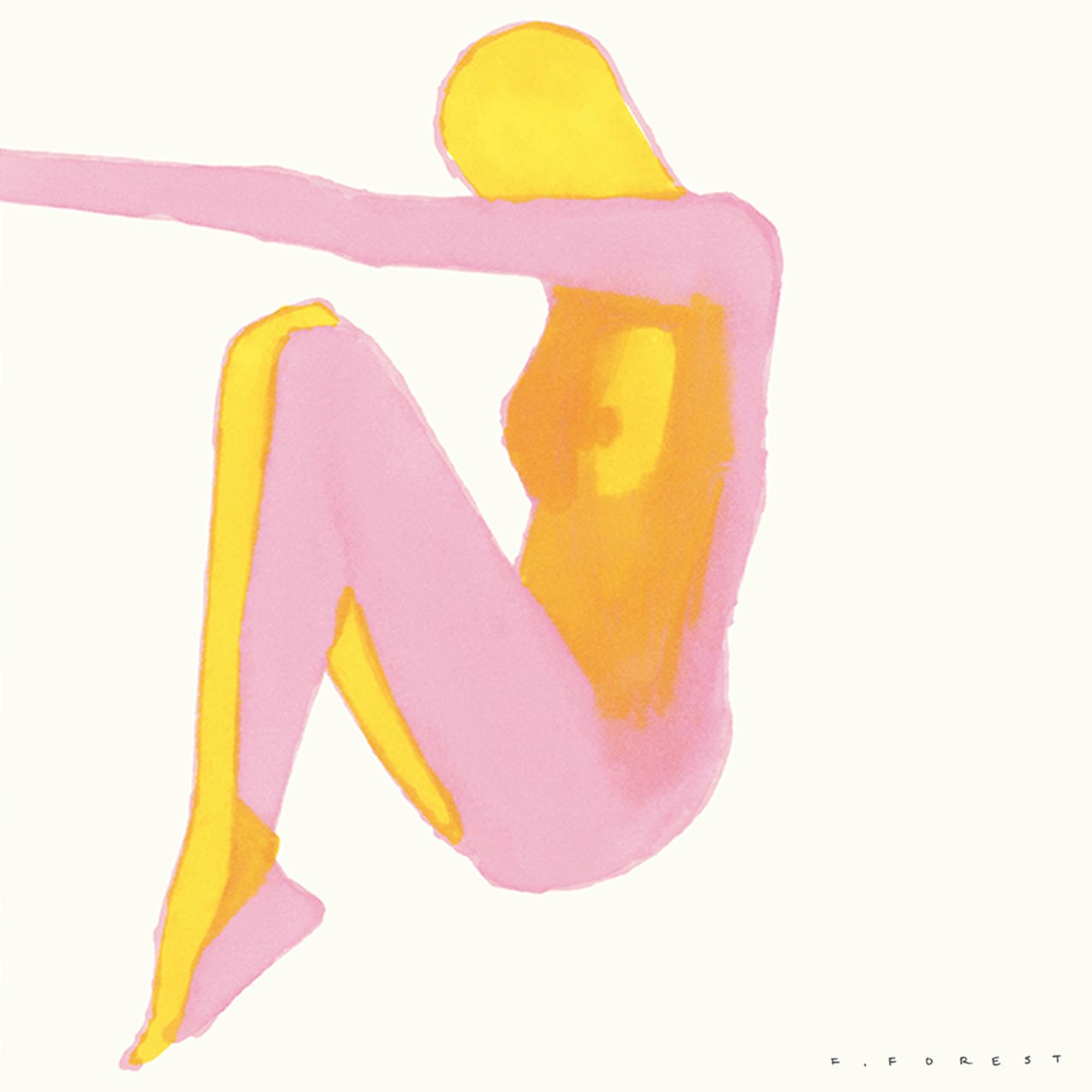
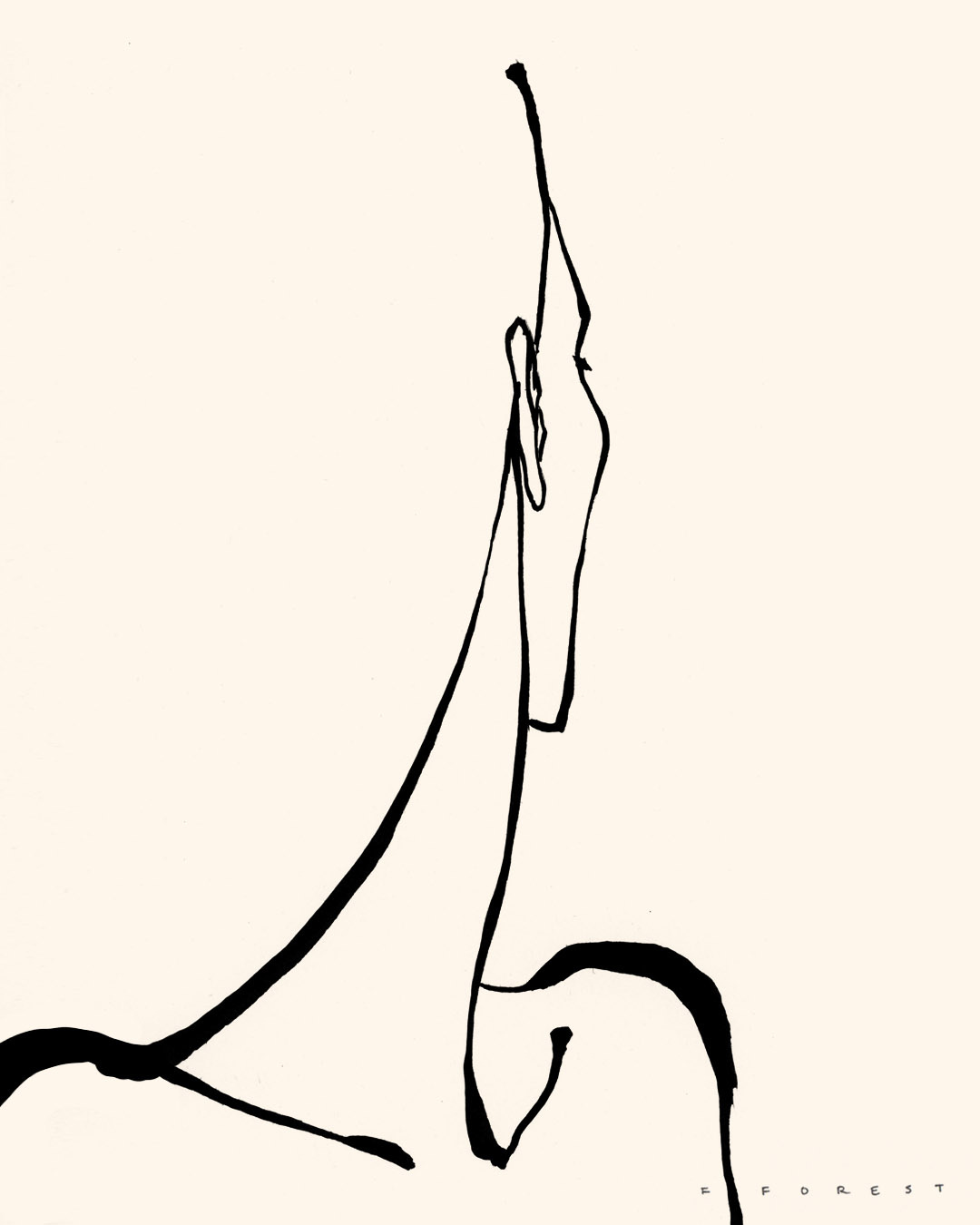
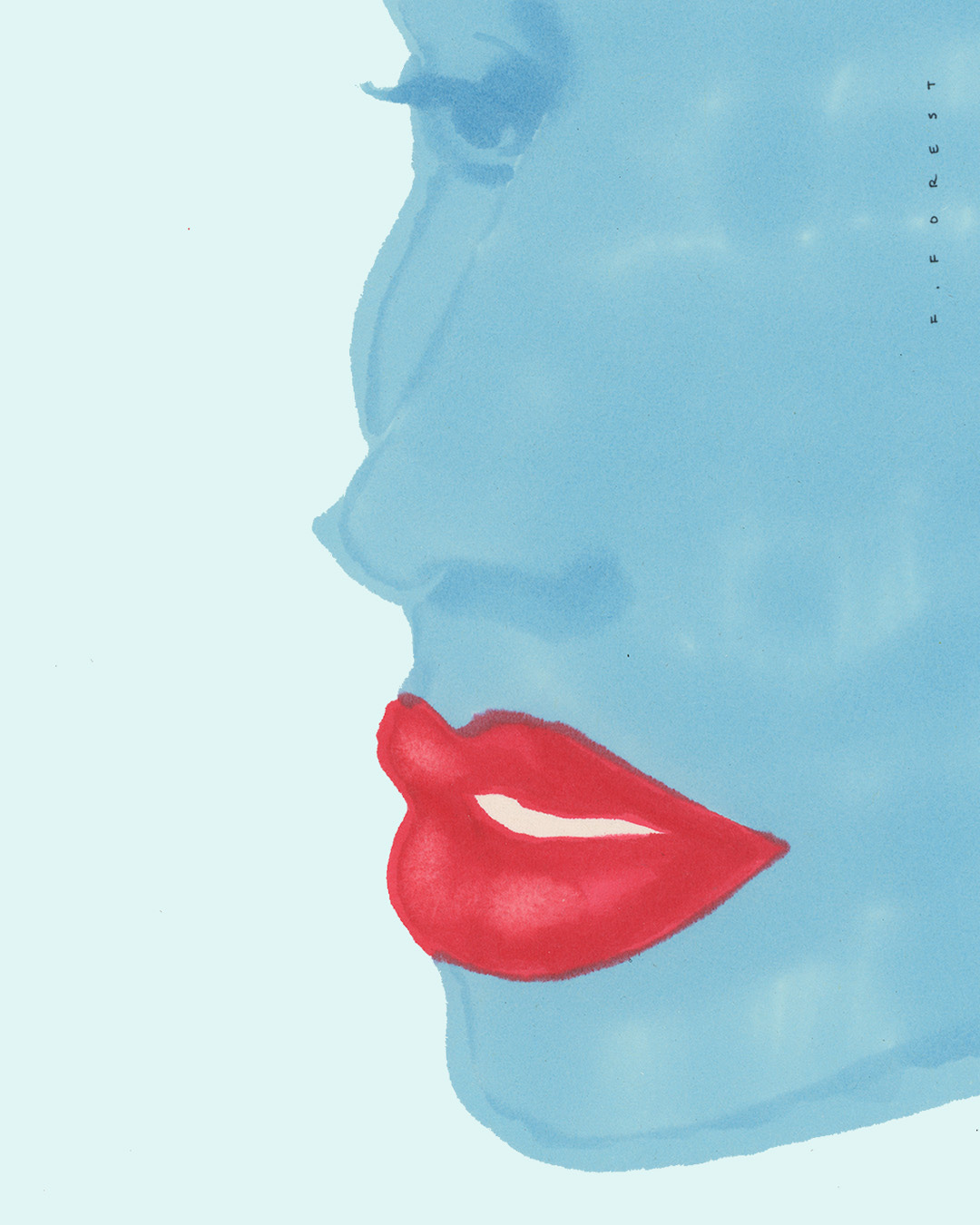
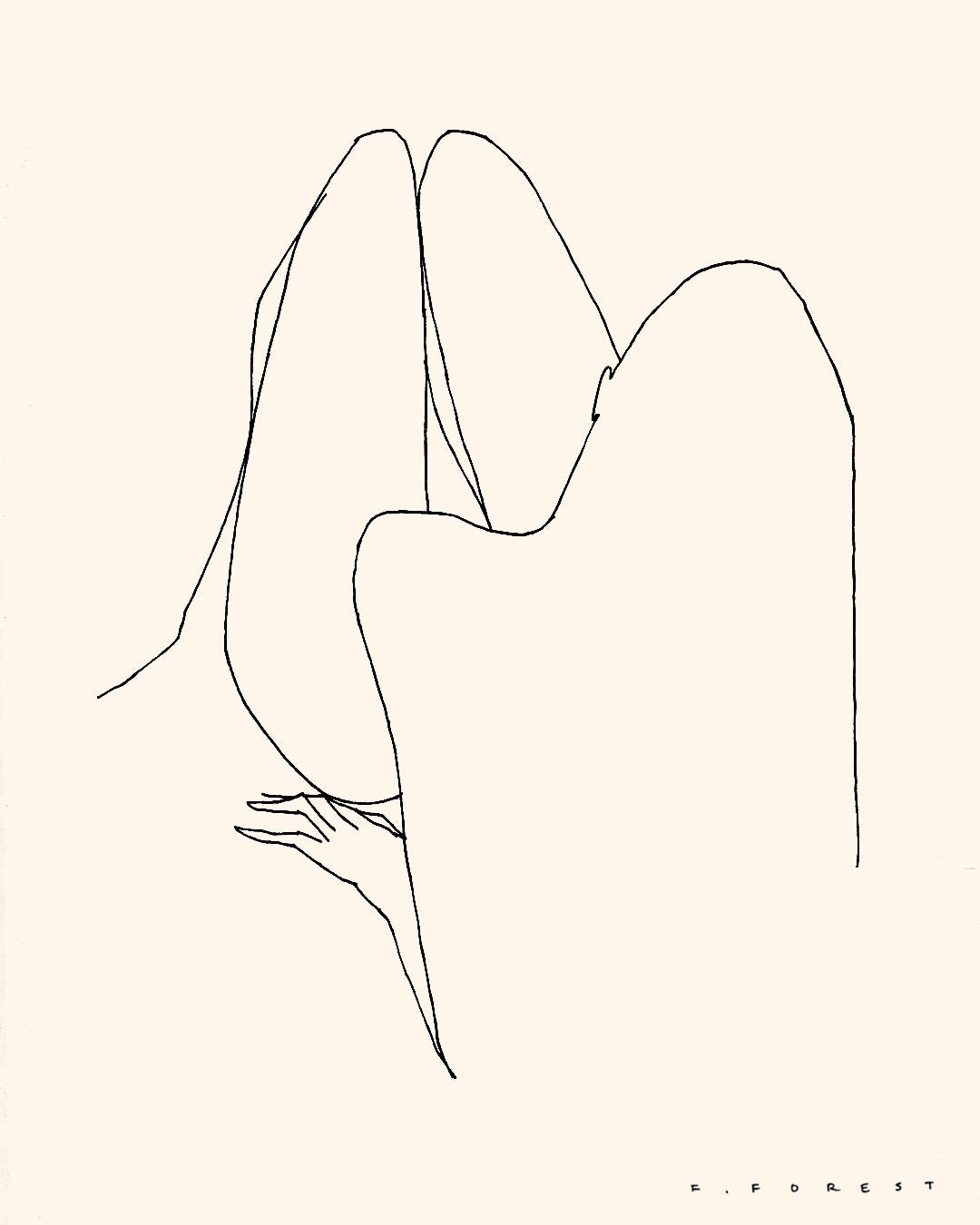
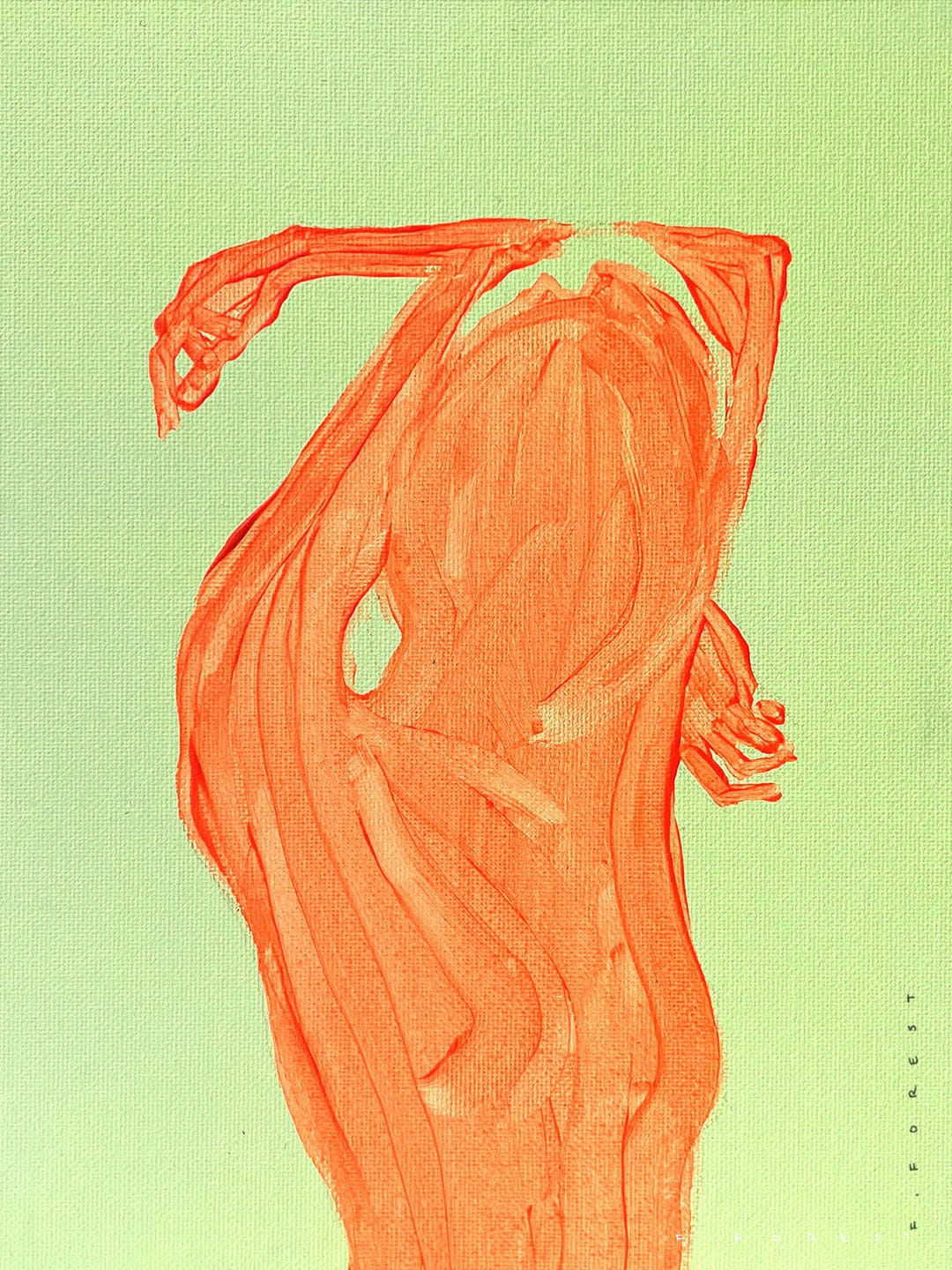
Actually, I don’t draw faces. Not often. I used to, but I never found the right lines. So perhaps that’s the point: because the drawings focus on attitude, poses, moments, and gestures, everyone can project their own someone, their own story, onto them.
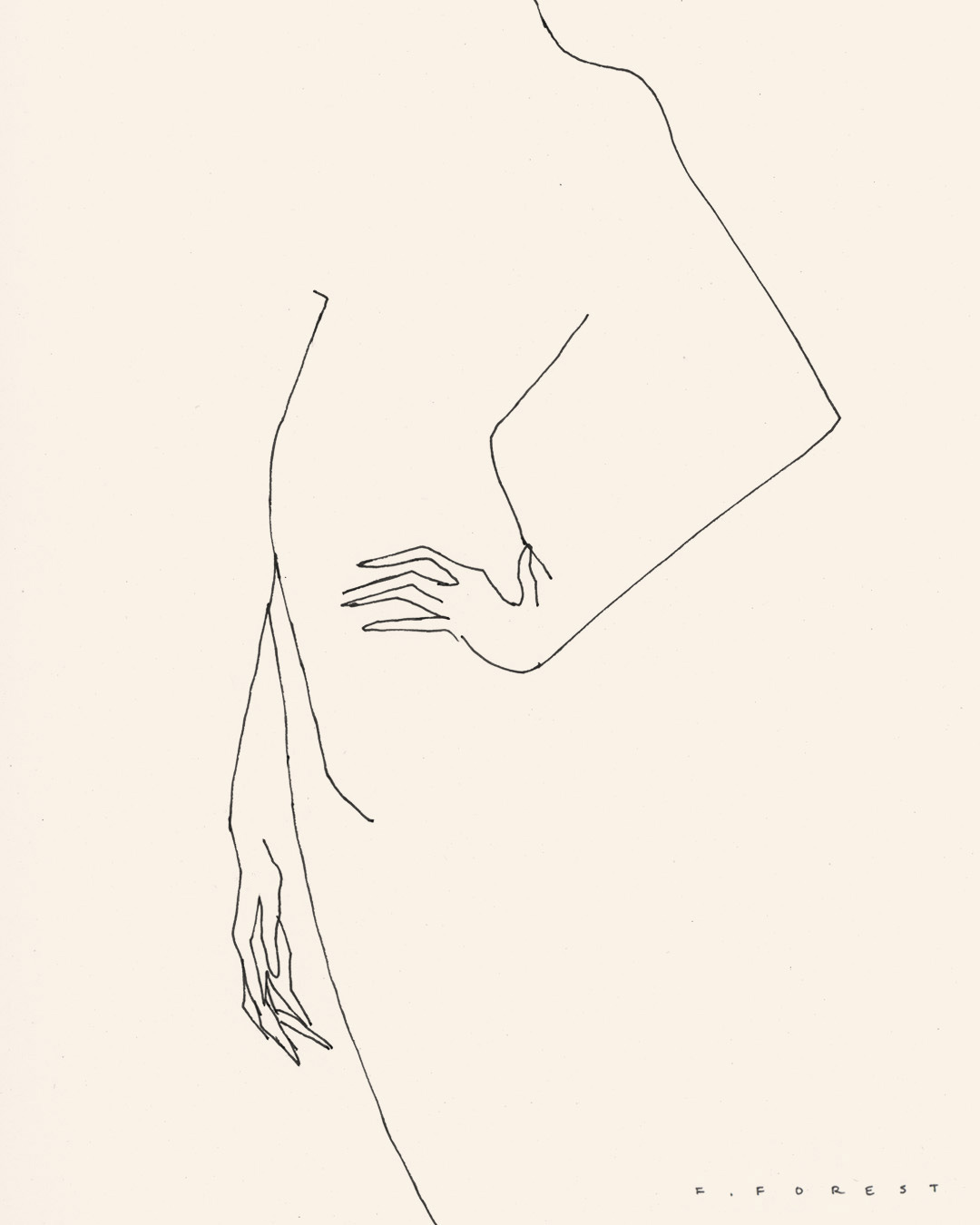
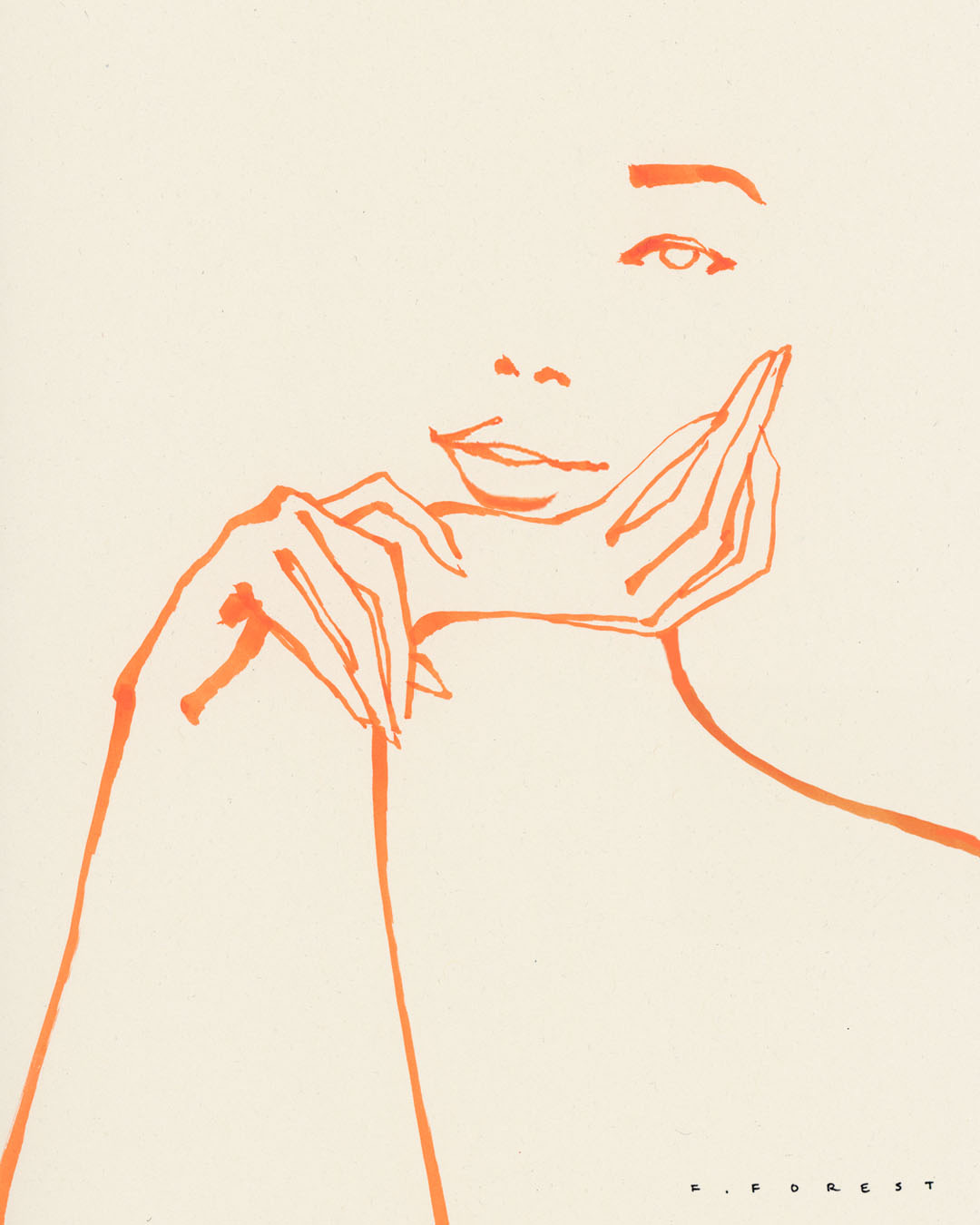
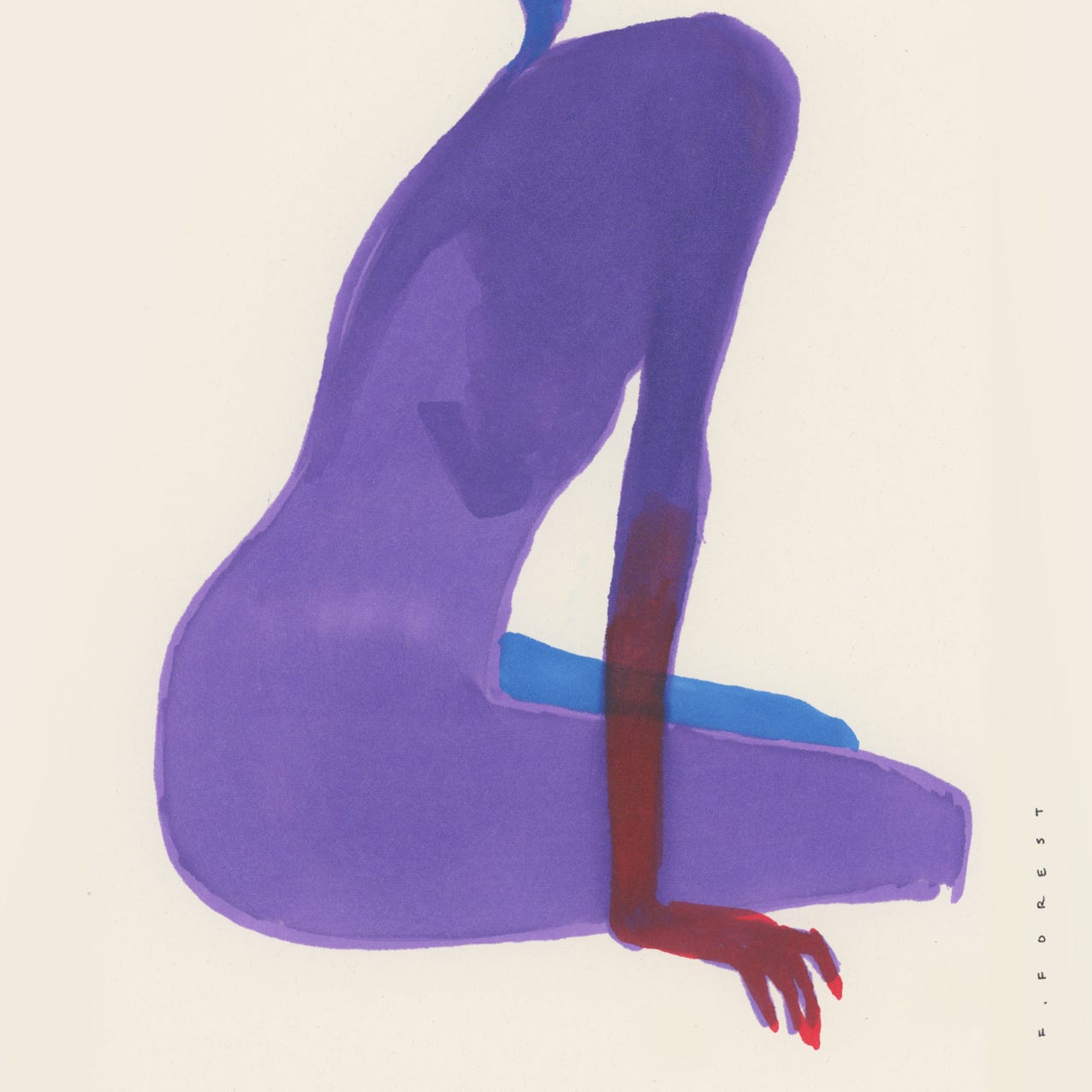
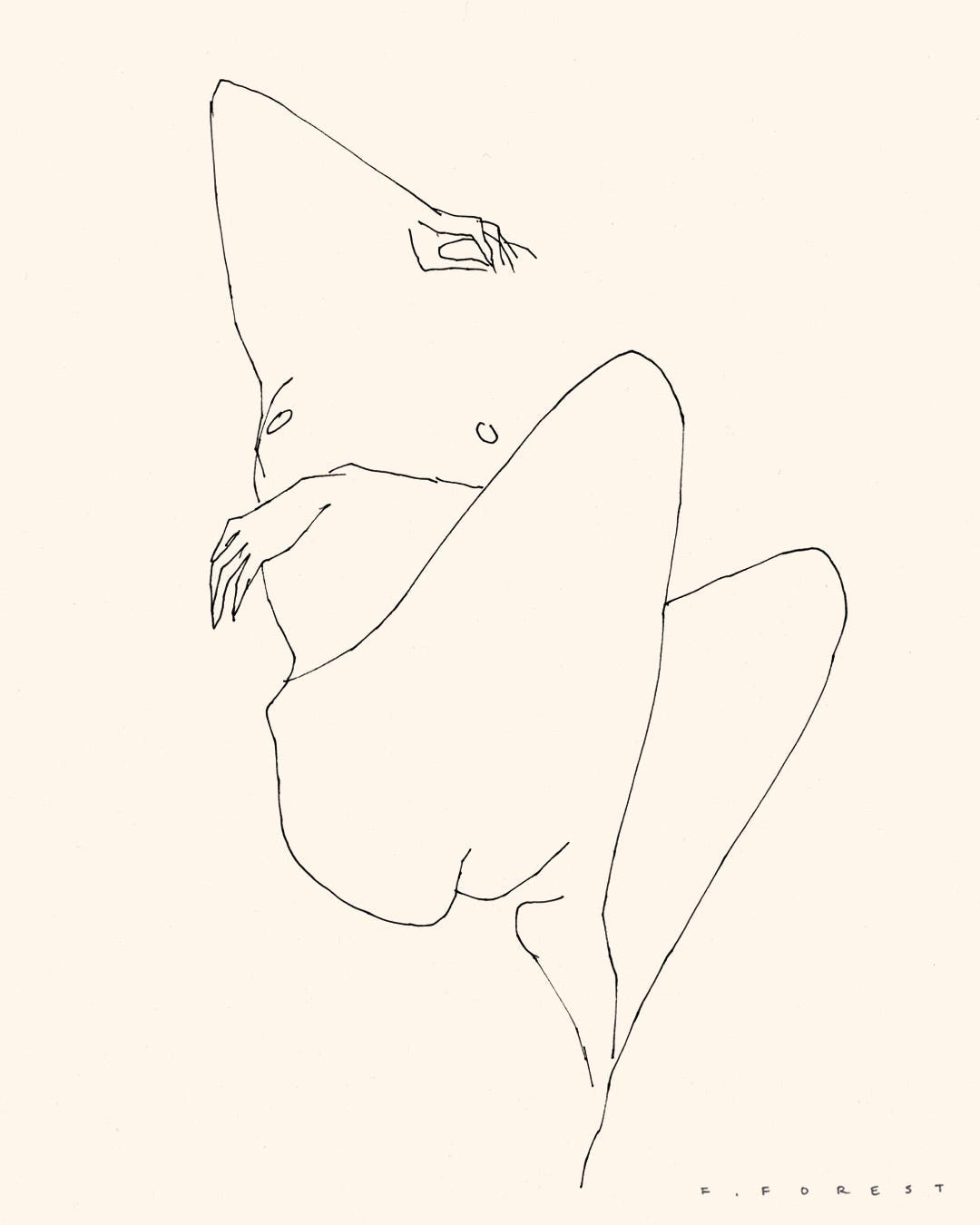
My hand is a filter with its own sensitivity. I have to control it and let it flow, dance, follow its own path. It’s all about control—“the encounter between control and the uncontrollable,” as Richard Avedon said.
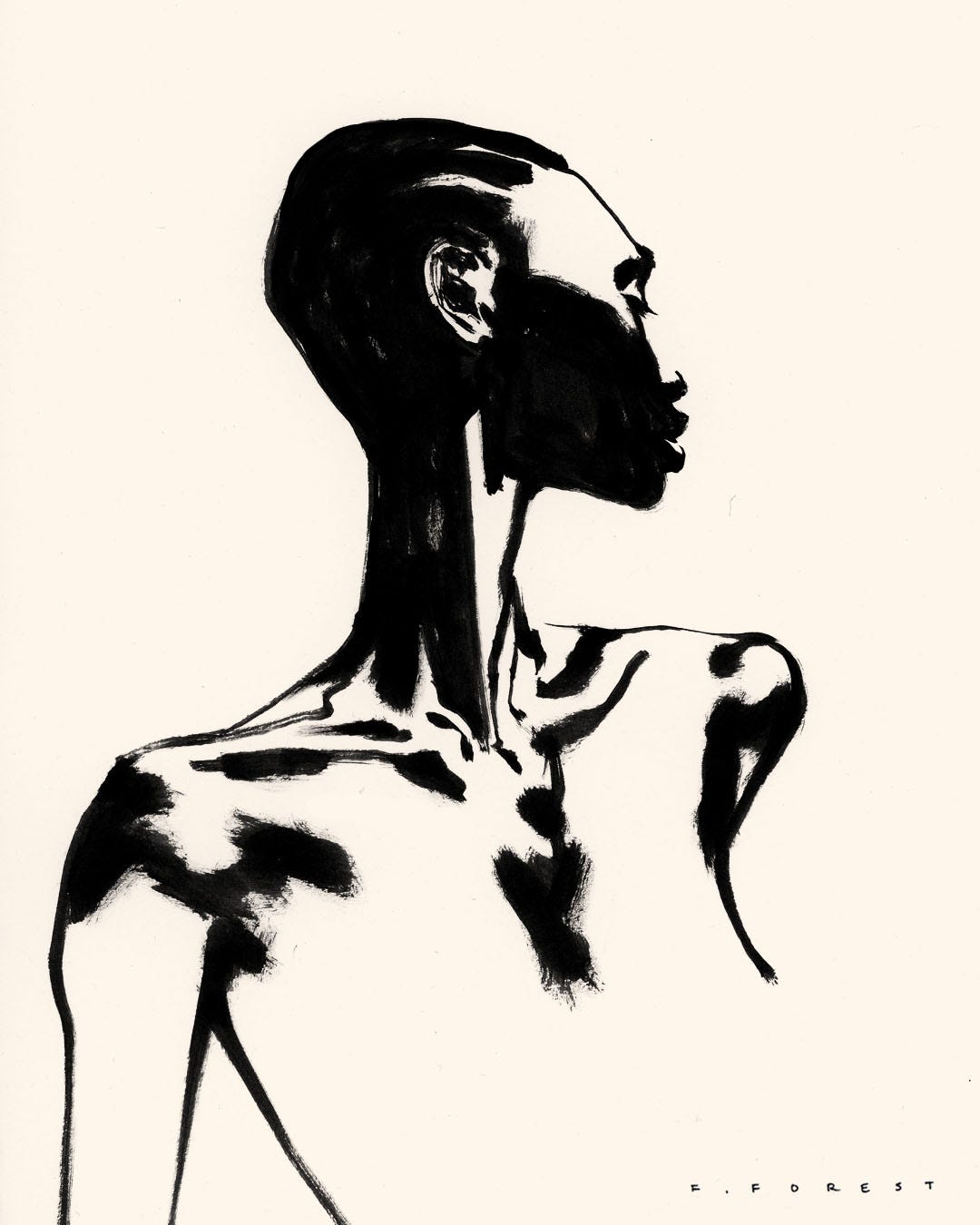
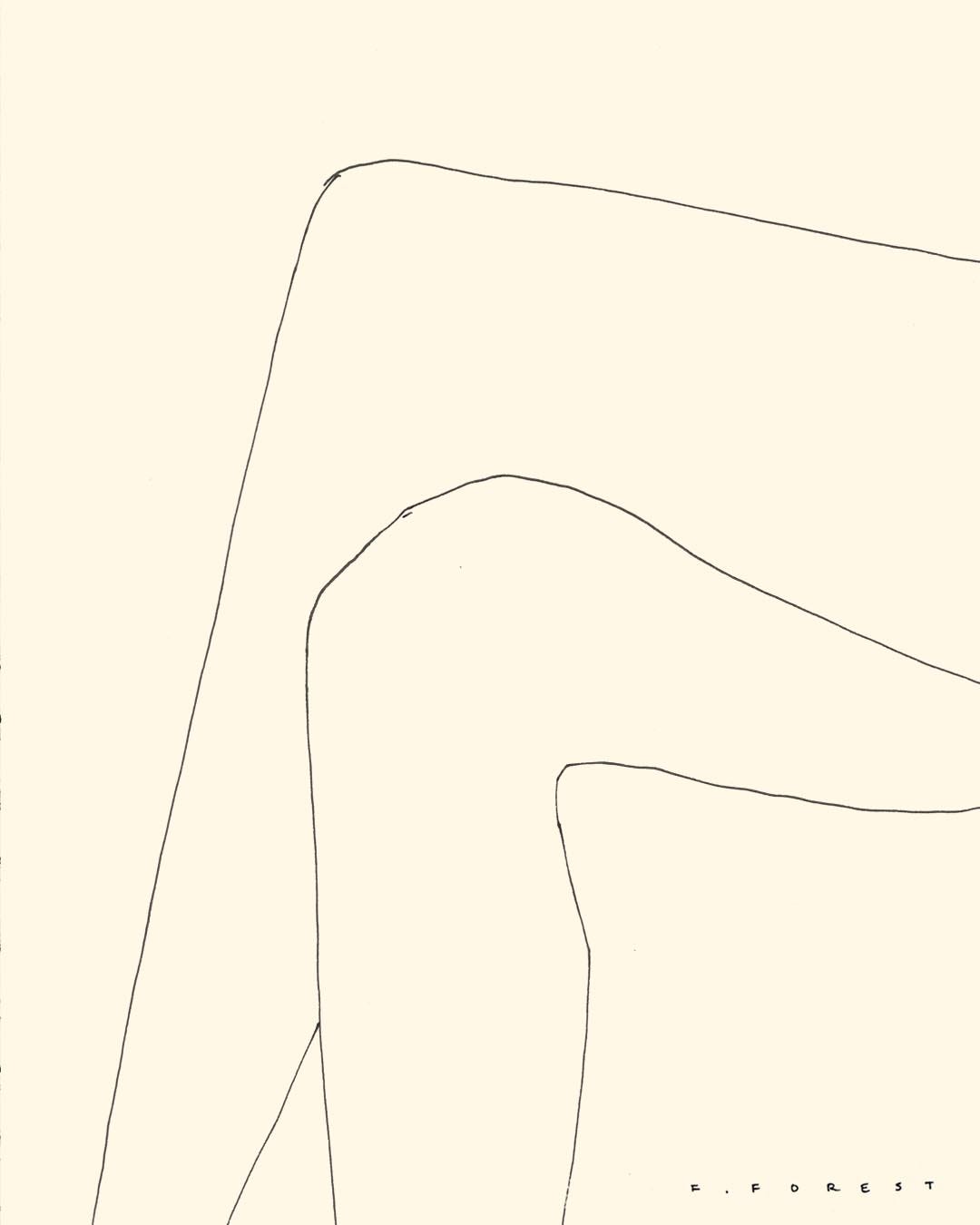
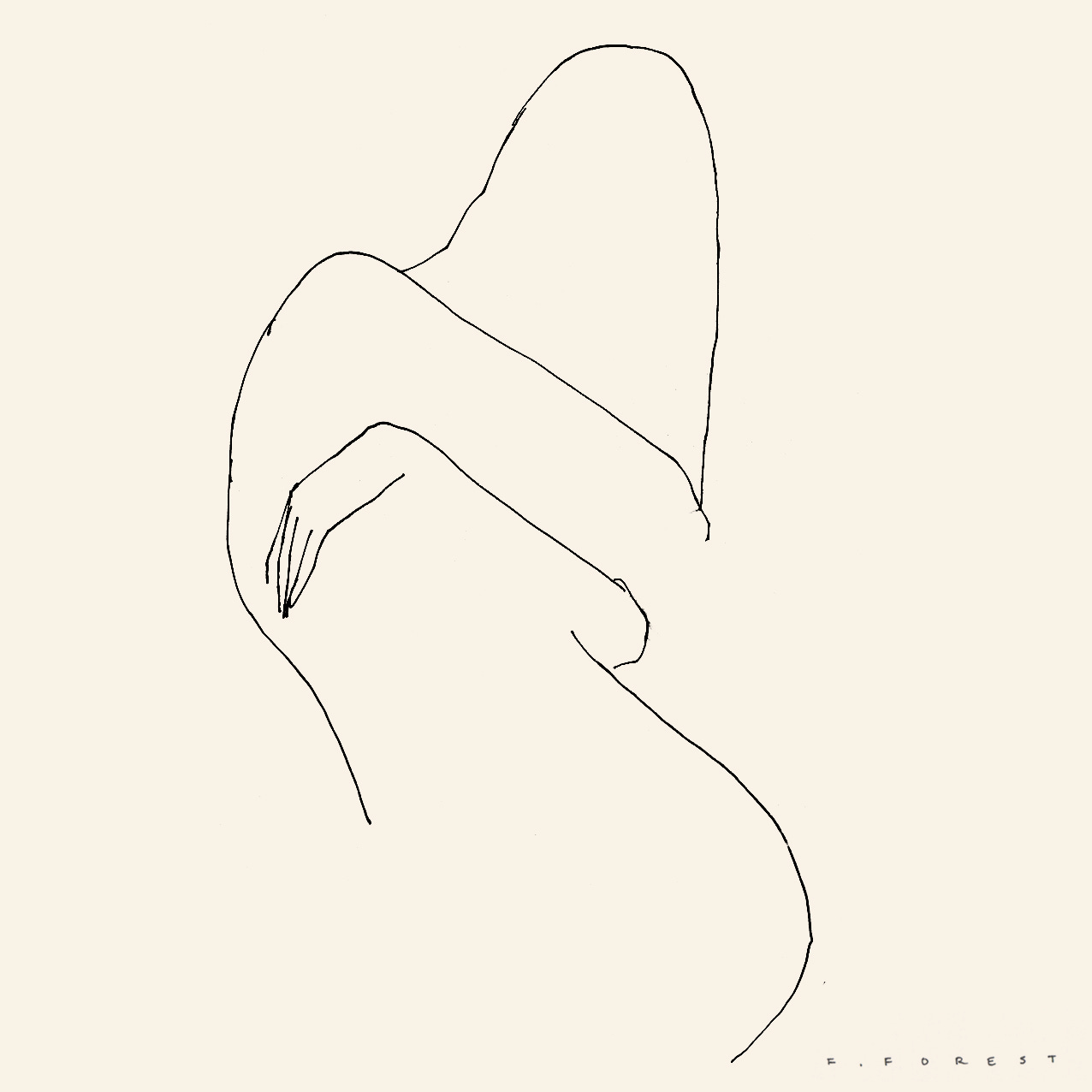
My drawings of women’s figures may seem minimal in stroke, yet they’re so rich in emotion. I portray women’s bodies with careful curves, elegance, and even respect. I want women to feel proud to be women, proud of their bodies and themselves, first and foremost. With everything that’s been happening in the news this year—gender inequality, female objectification, #MeToo—sometimes I see my work as an outlet, a way to speak to or inspire others about how women should be seen and respected.
I was raised with an education rooted in respect and humility, without stopping me from enjoying life. That’s why I don’t believe in deciding things for others. But when there’s a blatant injustice against someone because of their color, religion (or lack thereof), shape, or age—that makes me truly angry.
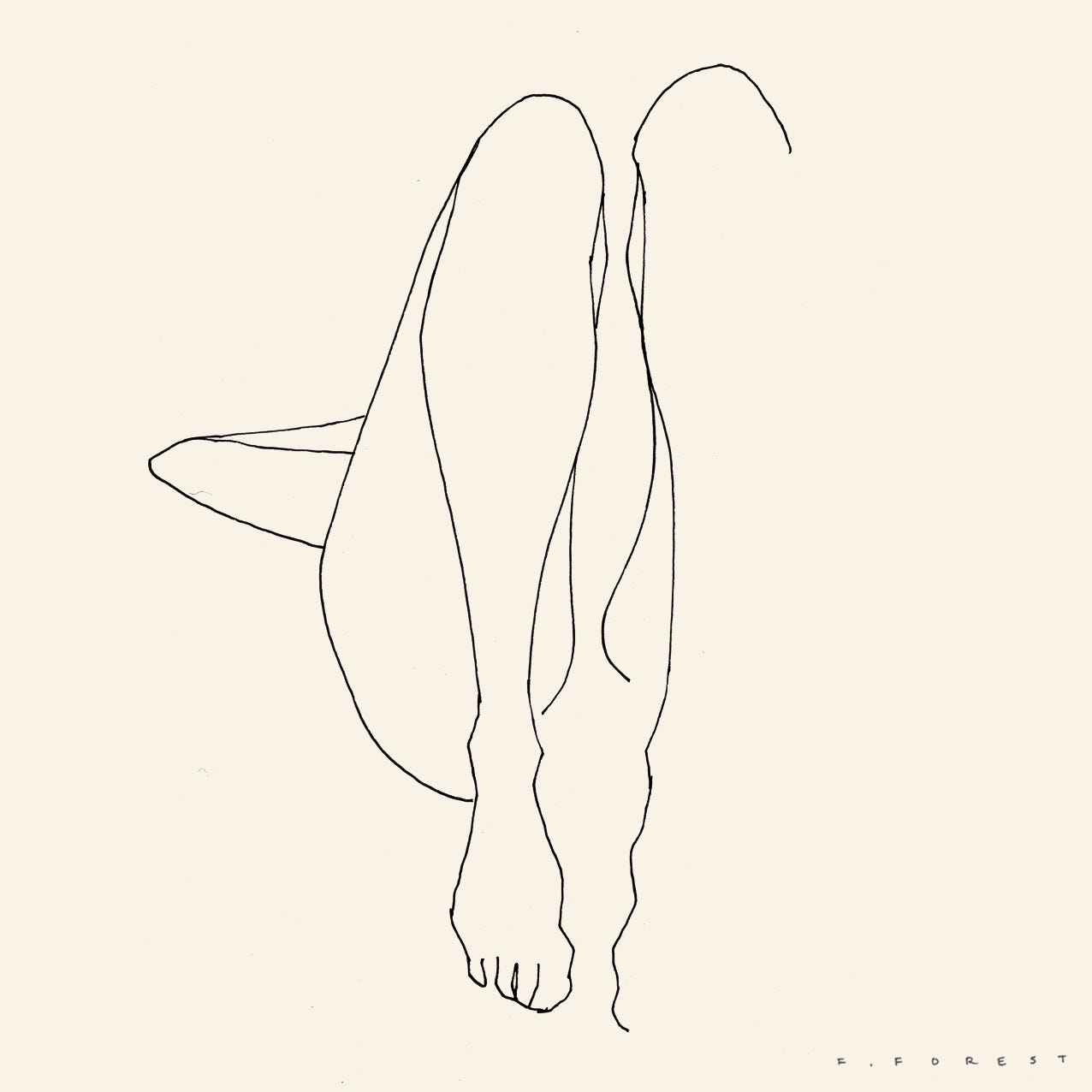
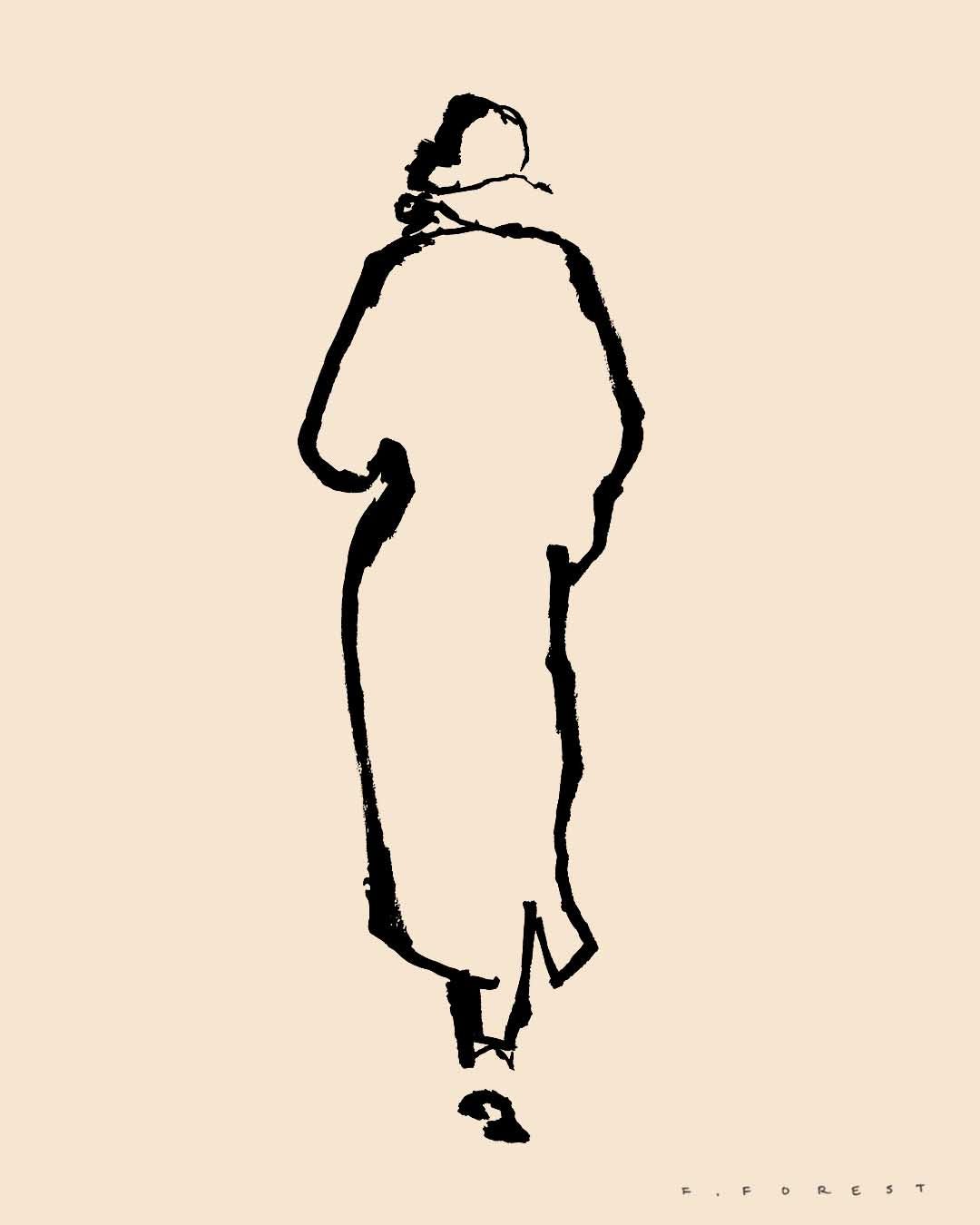
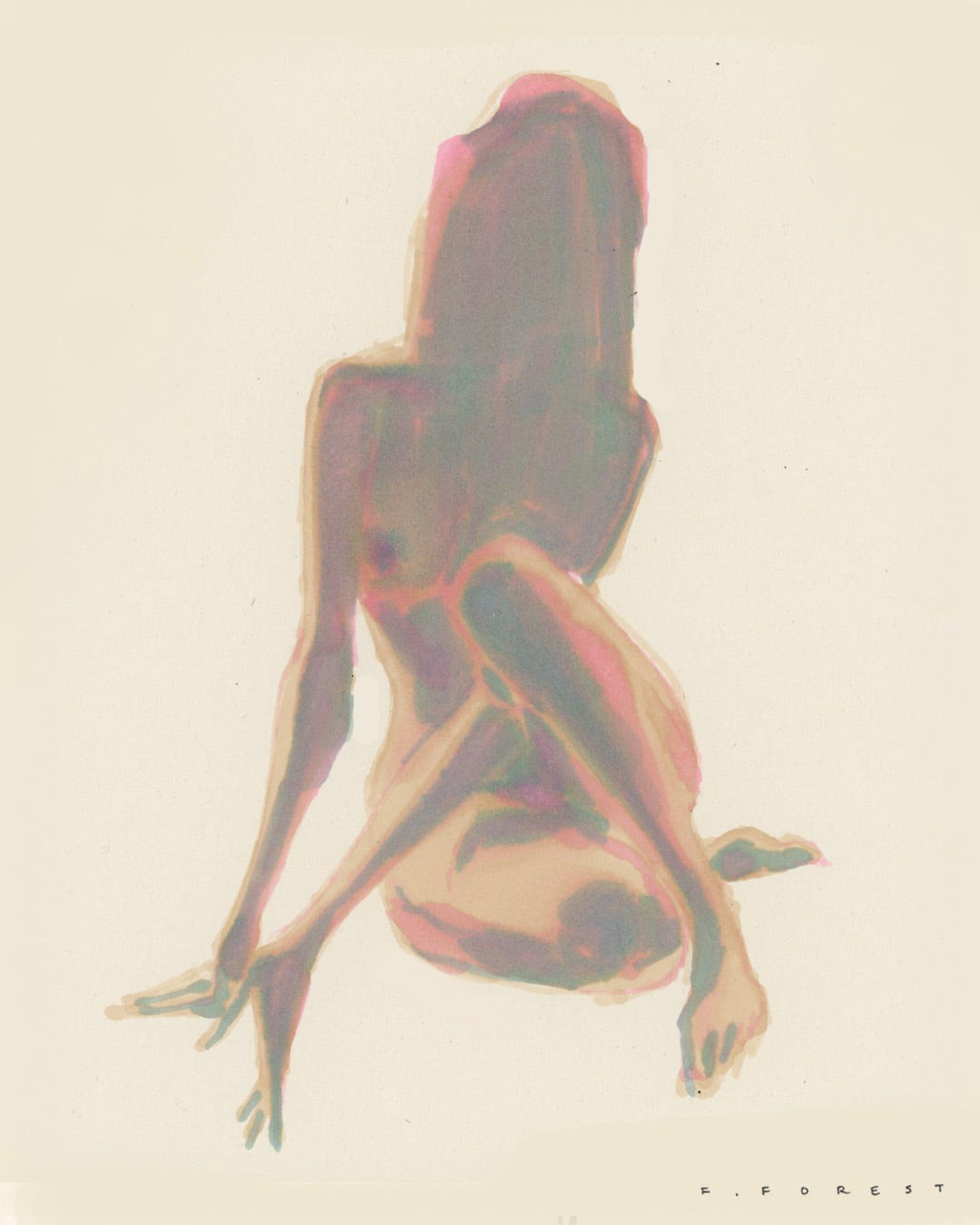
It shouldn’t be necessary. Women and men have fought for rights that a few people are insidiously rolling back. But unfortunately, they are. They’re saying we must not fall asleep, must not ignore that these issues still exist, that we must still denounce them—even in 2026.
It’s one of the shames of our history, alongside the destruction of our environment. Our time should be progressive. And I’m one of the many men who regret the retrograde behavior of these violent predators.
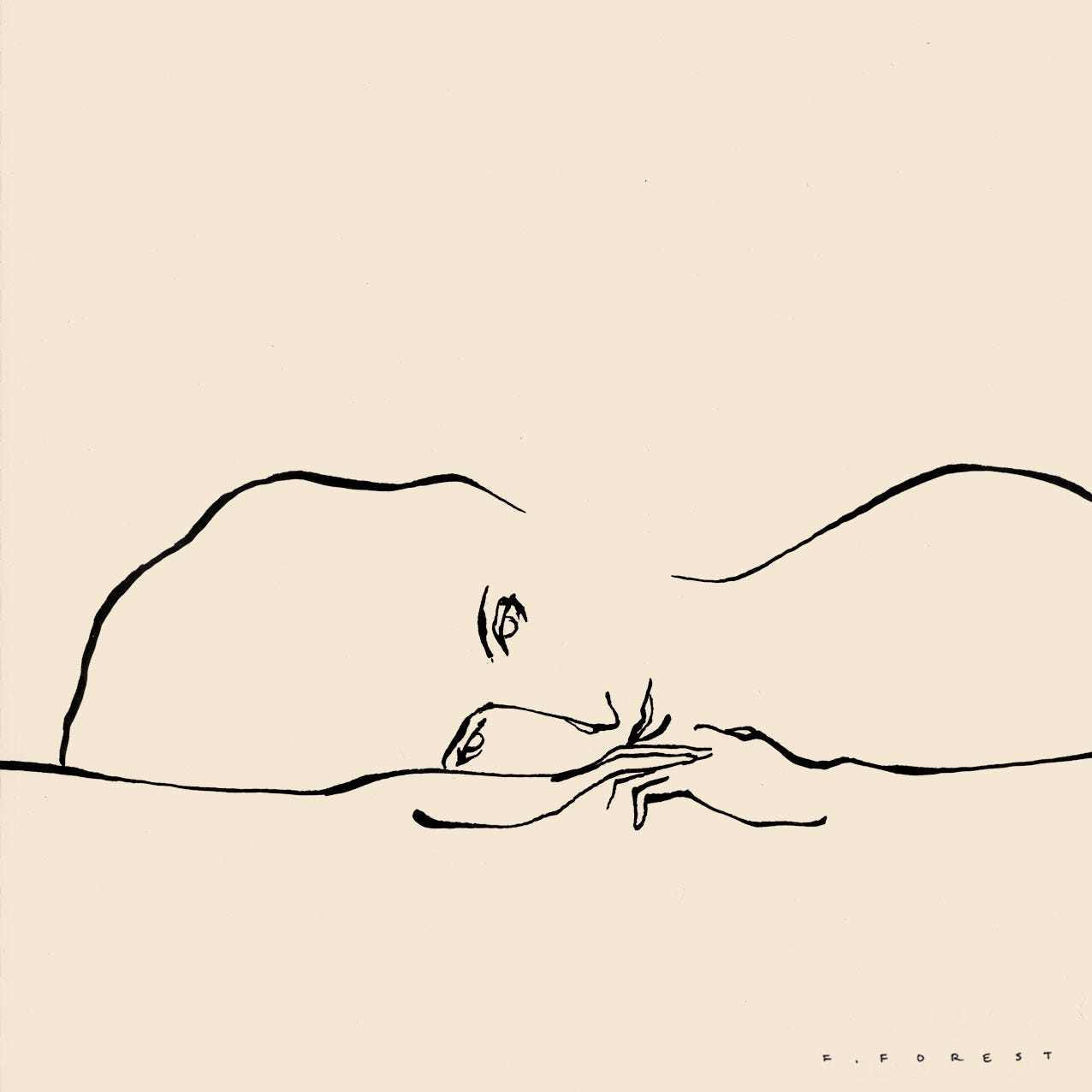
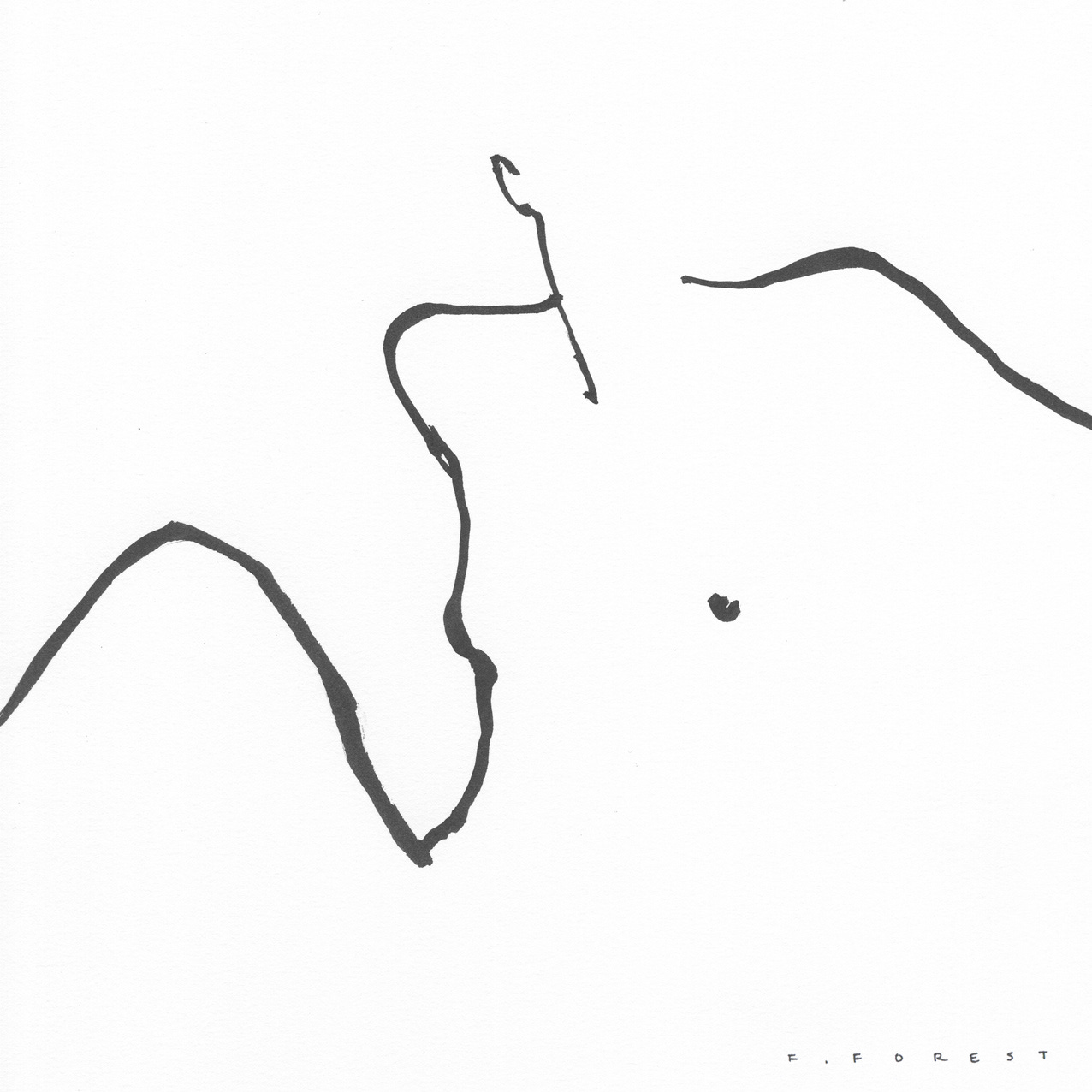
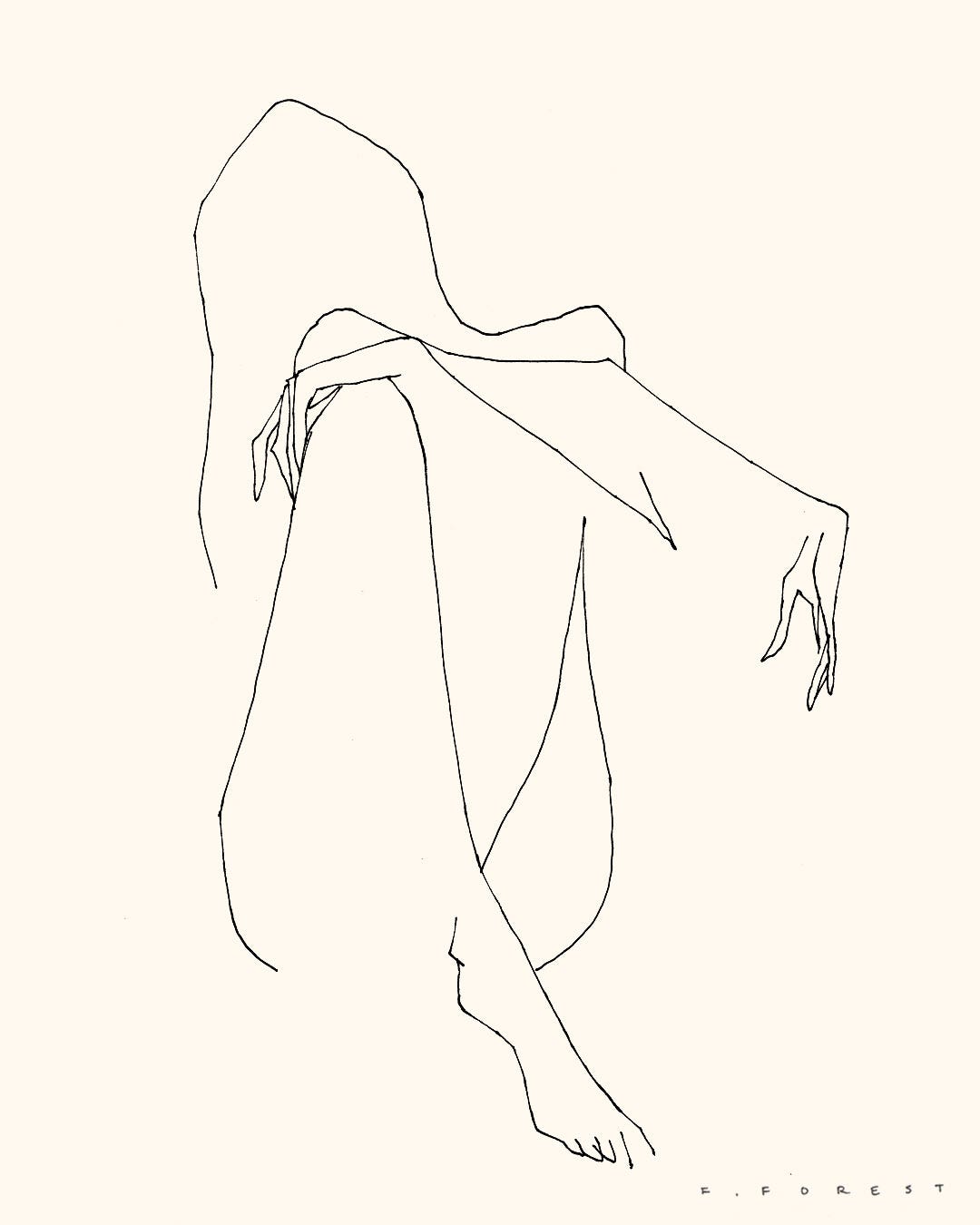
So, if my drawings can help someone in any way, then I’m delighted. Because it’s no longer just about art—it’s about leverage, strength, and a sense of peace for something good and important. What continues to move me the most is when someone says, "In this drawing, that’s me," or "That pose, that’s really my friend." Because it means it’s universal. In fact, some people even think I’m a woman—which I also take as a compliment.
I promise, I’ll continue to explore the subject of the feminine, just as I do the masculine.
In the mean time, most of these drawings are available as prints with Grammatical, my Art Editor.
Thank you for reading.
Love,

J'adore toujours autant ces dessins au trait, simples en apparence et tellement expressifs !
Proud of be and be universal. Love it.