


I grew up surrounded by women’s magazines, fabrics, and balls of yarn. My parents were born in Roanne, France—a city that was once the textile capital. My mother’s parents were caretakers at a garment factory, and my paternal grandfather was the last in his family to carry on the industrial-textile legacy. My father’s only diploma was in hosiery before he became an automotive mechanic and later expanded his technical skills into the world of skiing. Despite the crisis that struck my parents’ hometown, much of the rest of my family continued to work in the textile world. But more than the place of fabric in my life, it was the intelligence of the hands that shaped me. After all, it is our hands that choose our desires, our professions, our lives.
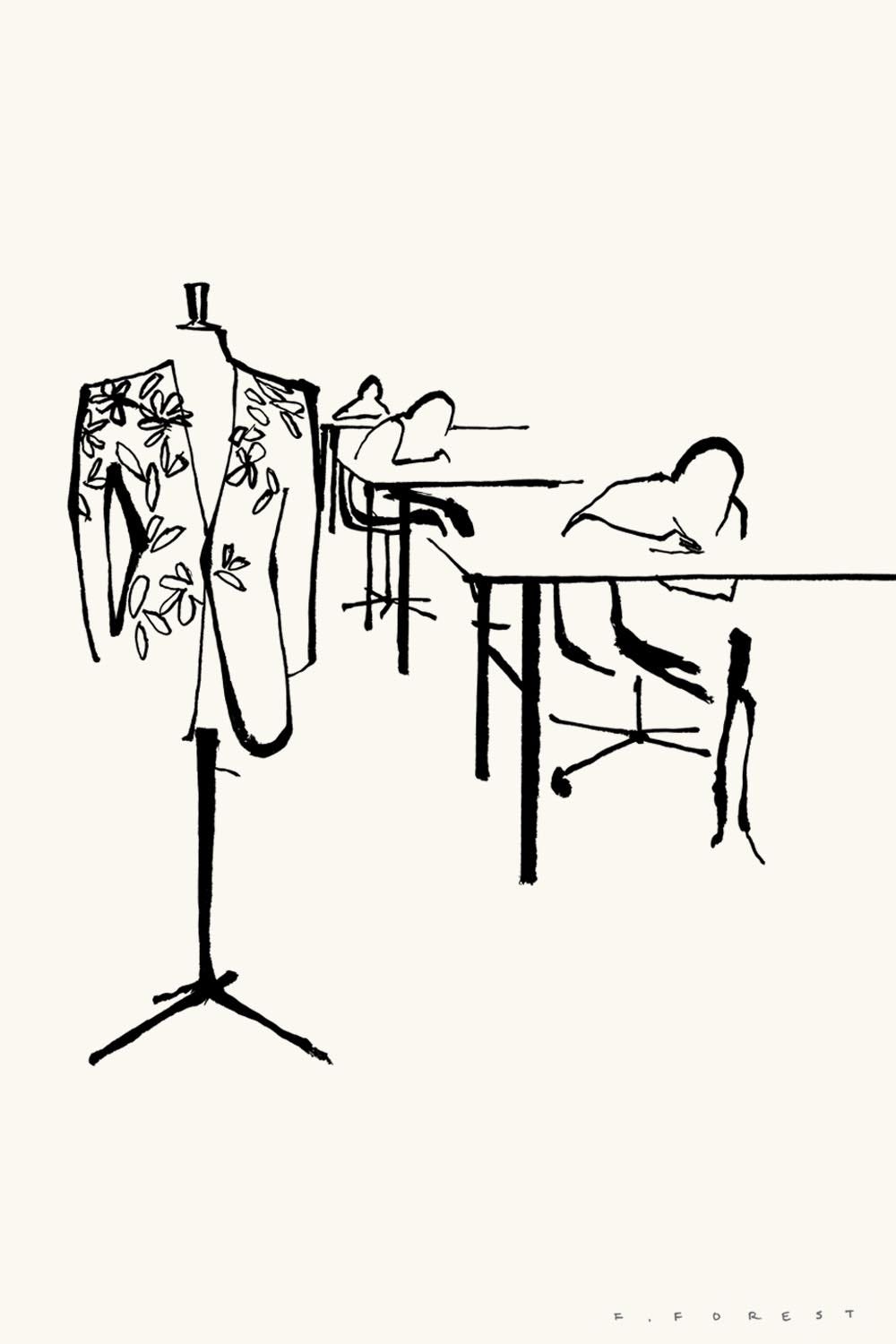
When I was invited by 19M to illustrate the craftsmanship of Montex and MTX studios, it felt both surreal and entirely natural. For those unfamiliar with this fascinating place of creation and transmission, 19M is an exceptional architectural work dedicated to showcasing the skills of artisans and creators. A unique space that houses workshops, a school, and a gallery open to all. Located in Paris and the commune of Aubervilliers, this 25,500 m² site was initiated by CHANEL. The name is highly symbolic: 19 represents both the arrondissement where it is located and one of Gabrielle Chanel’s favorite numbers. The M stands for “Mode” (Fashion), “Mains” (Hands), “Métiers d’art” (Artisan Crafts), “Maisons” (Houses), and “Manufactures.” A place of work, transmission, and preservation of heritage, 19M is the culmination of a journey that began in 1985, when CHANEL acquired the first art workshops and manufactures it worked with, in order to preserve and cultivate their craftsmanship. The workshops present are dazzling, as they form the foundation for so many couture houses that have been graced by creators as talented as they are iconic: Atelier Montex, Desrues, ERES, Goossens, Lemarié, Lesage, Lesage Intérieurs, L’atelier Lognon, Maison Michel, Massaro, Paloma, Studio MTX.
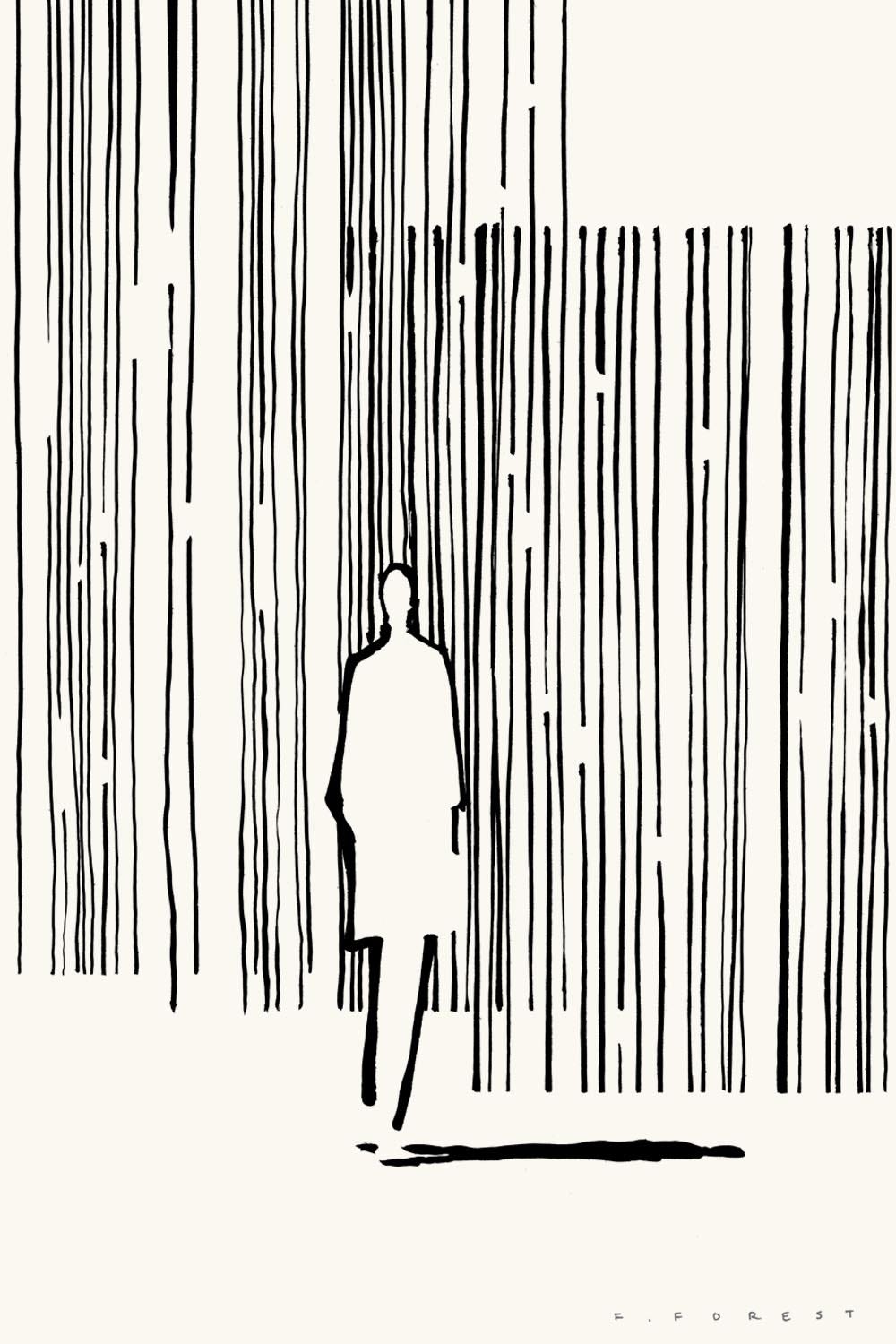
The building is as imposing as it is light. The reception area is modern and bears little resemblance to the stately buildings where these renowned workshops were once scattered throughout the city. But it doesn’t matter—their names are engraved on the wall, and this resonates with me, echoing my family and my heritage of love for craftsmanship, self-transcendence, and the beauty of the gesture. Camille is waiting to accompany me to the meeting, but I already want to go into the workshops. Stepping out of the elevator, I catch a glimpse of them. The meeting first.
Aska Yamashita and Mathieu Bassée will guide the vision for this book, which will soon be available at 19M and designed by Funny Bones studio, with whom I am well acquainted. We establish a number of drawings to be created, in dialogue with Paul Lehr’s photographs. Aska and Mathieu have a list and an artistic direction that they share with me, but it feels more like a conversation than an appointment. On the table and around us are samples, prototypes, and photos of projects. Inspiration without limits.
