

It had been a while since people started encouraging me to create a newsletter—something more direct, more personal too. I began by looking into what was being done on Substack. What I could possibly do with it. The central role of writing, the time taken to read and to observe. But above all, I didn’t really know where to begin in terms of sharing my inspirations with you.
That’s when I remembered myself as a child, flipping through my mother’s fashion magazines. They were incredibly important to me. Whether it was the graphic design, the photo editorials, the models, the looks—and especially the way illustration was integrated into these fashion universes.
What I loved was how drawing appeared at both the very beginning, when the stylist would sketch silhouettes, cuts, shapes, with all sorts of notes on colors, fabric combinations, or materials—and again at the very end, when an illustrator would reinterpret the finished look into yet another sketch. It made me think that maybe it wasn’t the end, but the beginning of something else—another outfit, another story.
These images shaped my eye: the importance of framing, of light, of condensing a message and a style. I have to admit, my preferences go to René Gruau and Antonio Lopez. Later came Thierry Perez, Aurore de La Morinerie, François Berthoud, and a whole constellation of talented artists. Of course, there’s also photography and art direction: Erwin Blumenfeld, Steven Meisel, Paolo Roversi, Peter Lindbergh—and most of all, Helmut Newton—who still form a core part of my cultural foundation. I even wanted to show you some of the drawings I did as a child or teenager—but unfortunately, I haven’t been able to find them. I promise, if I do, I’ll share them.
Then, in the middle of summer 2017, I received an email from Nick Knight (one of my idols), inviting me to follow Paris Fashion Week S/S 18 and sketch what I would see. I couldn’t believe it! That’s how I ended up attending a series of unforgettable shows—like Jacquemus at the Picasso Museum, where he presented his oversized hats and the now-iconic Chiquito bags that truly catapulted him. This series of drawings pushed me to fully embrace the role of fashion illustrator—something I had dreamed of doing in my early twenties, now becoming real with the support of an icon and his platform, ShowStudio.
After that, there were editorial series for Vogue, Harper’s Bazaar, and Minimum and the chance to be invited by Chanel for the Haute-Couture S/S 18. This was insanely beautiful to be there, sitting under the grand glass roof of the Grand Palais, with Rihanna just a few meters away from me (25 m looks really close for my ego). Then I was invited to model for Maison Kitsuné x Montblanc and De Bonne Facture—which was a really interesting experience, stepping to the other side, becoming the subject rather than the observer. I’ll take the opportunity to talk more about that side of things in a future post.
But I hadn’t done any of it again since then. But this season changed everything: six designers were about to become the center of attention in the industry. They had just been appointed as creative directors of some of the biggest fashion houses : Mathieu Blazy at Chanel, JW Anderson at Dior, Demna Gvasalia at Gucci, Louise Trotter at Bottega Veneta, Pierpaolo Piccioli at Balenciaga and Glenn Martens at Maison Margiela. Of course, they’re not the only ones, but it’s rare to see so many new creative directions happening all at once. I followed all of this closely—like many of you, I was in need of beauty and strong creative energy. And I wasn’t disappointed.
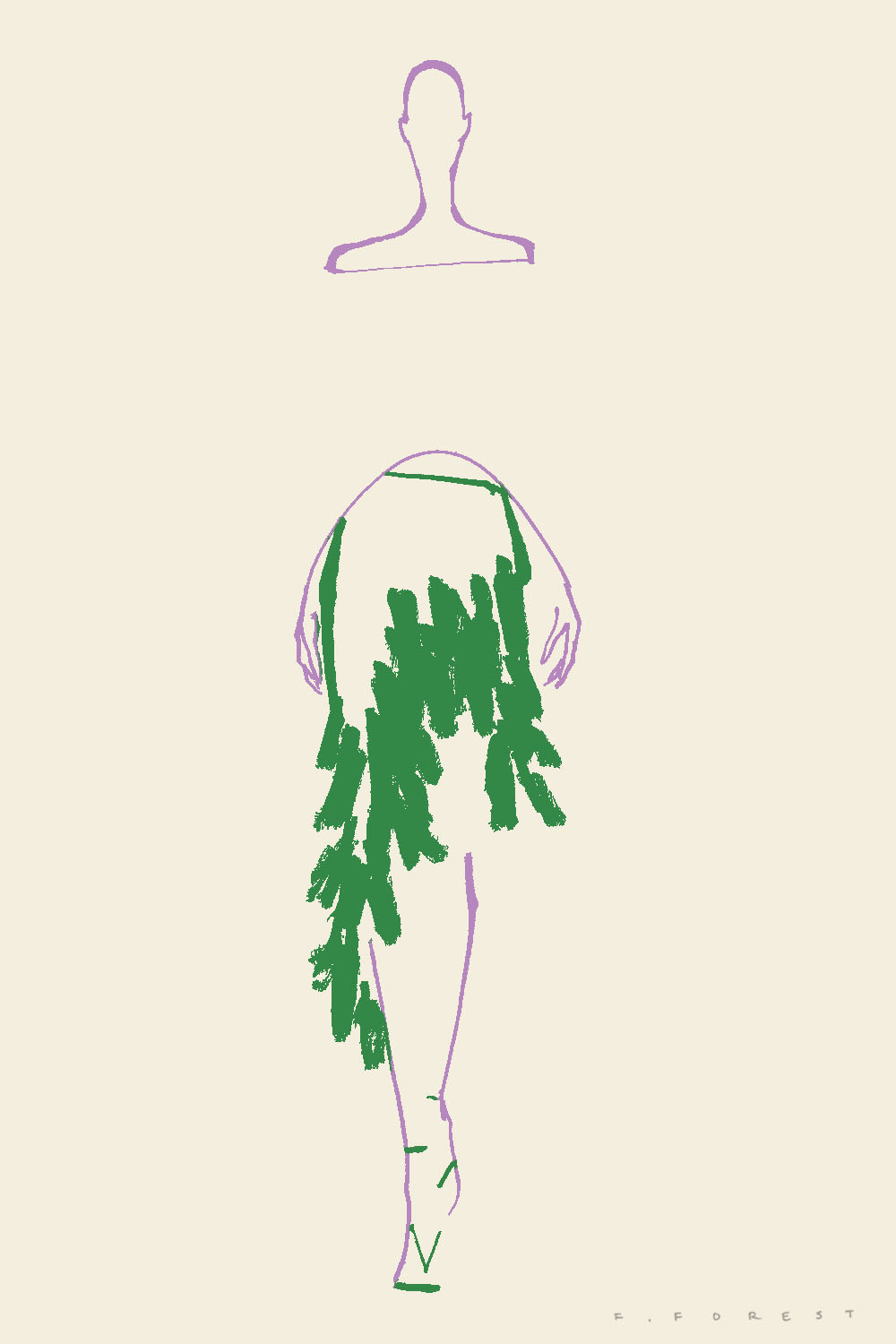
The drawings that follow are brand new, and I’m thrilled to share them with you. I used different techniques depending on how I felt and how my eye was drawn to certain moments.
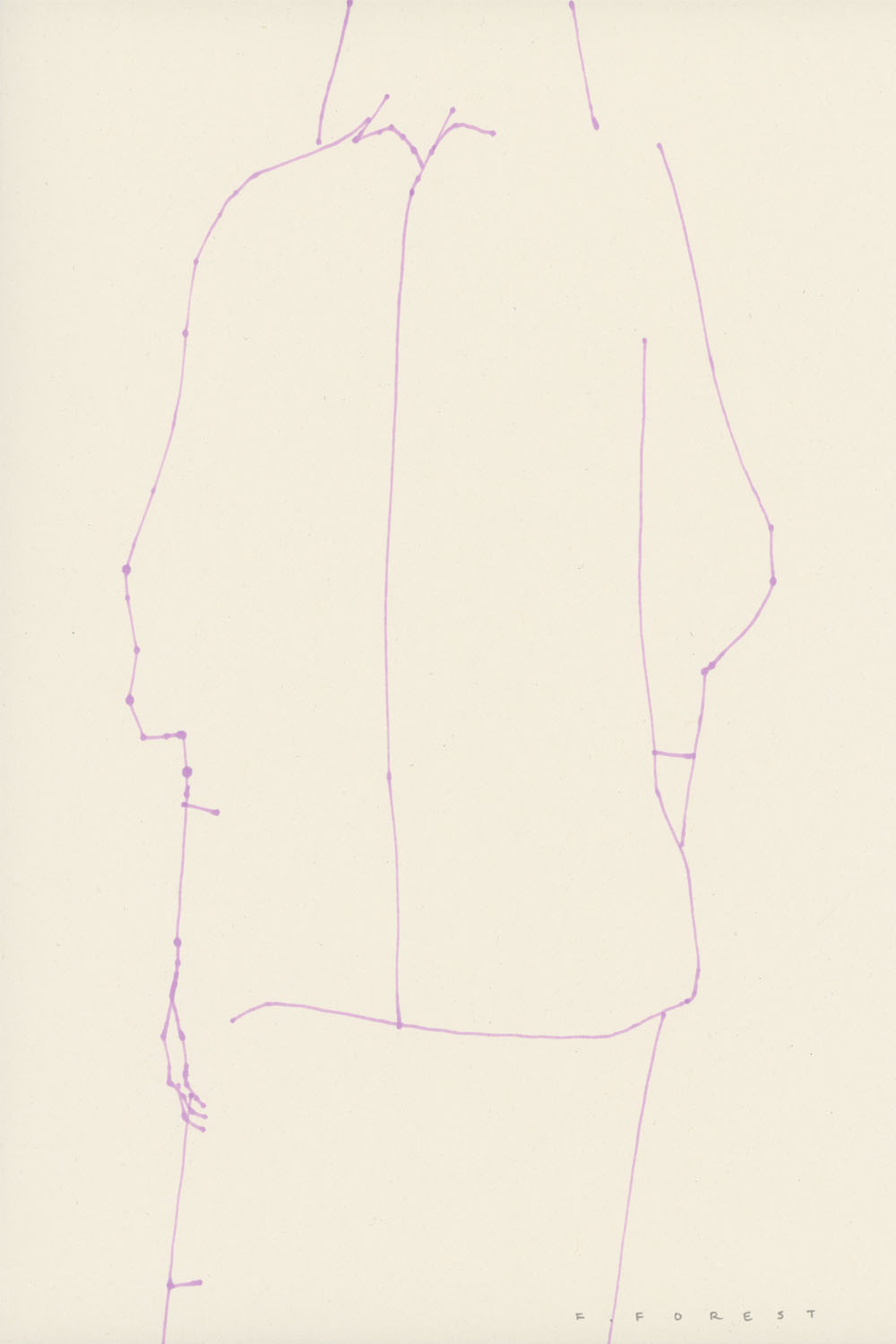
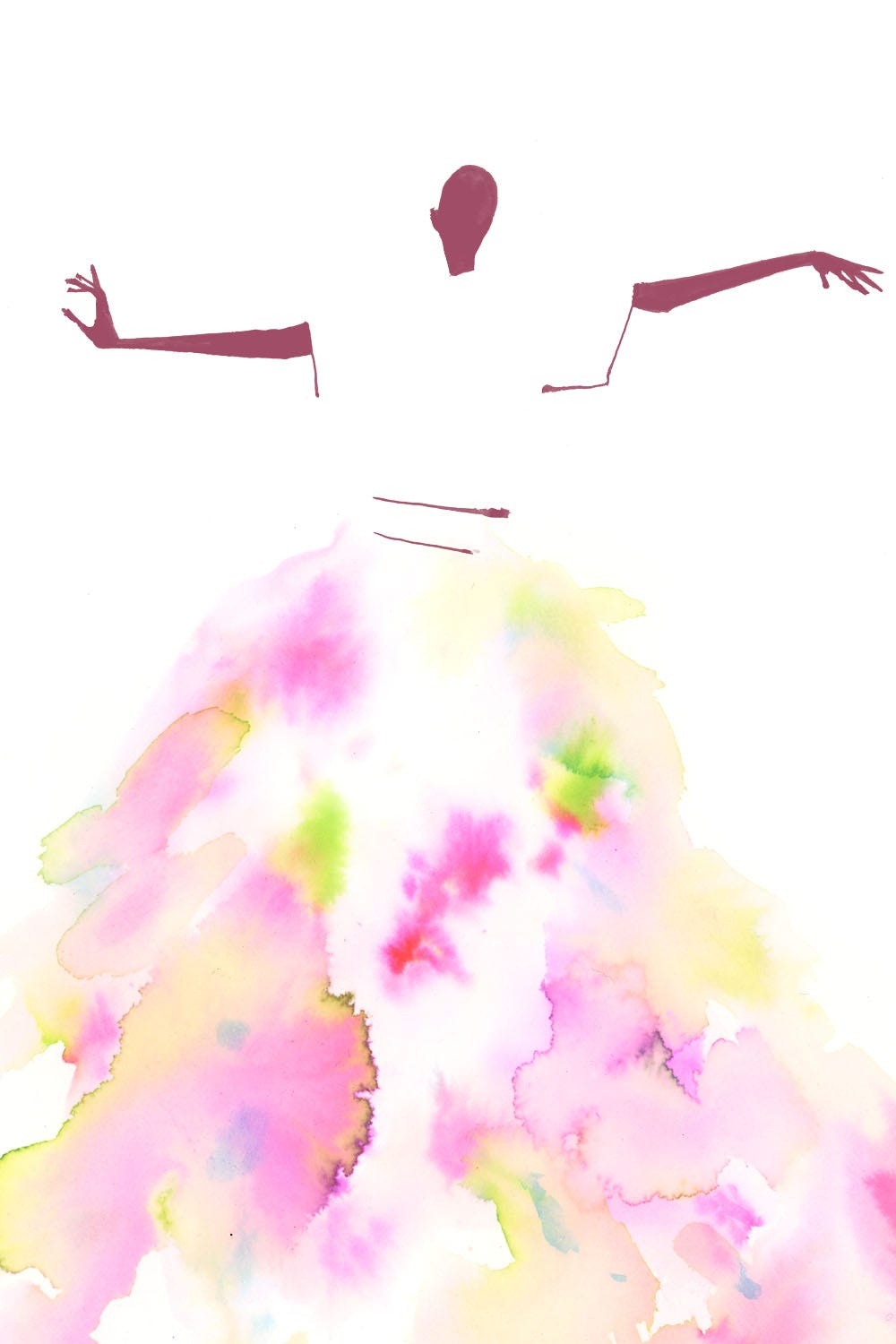
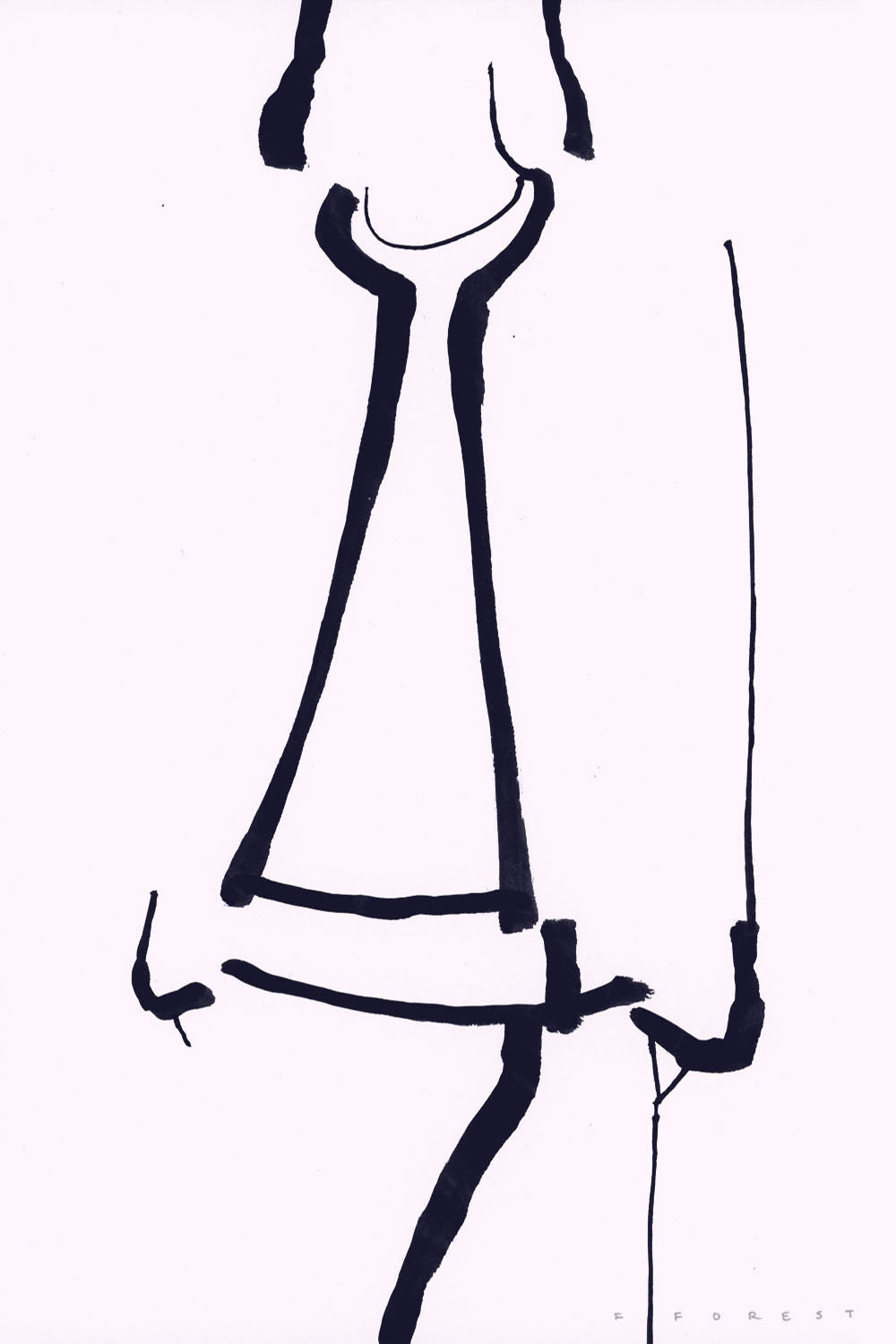
I honestly had a crush on Mathieu Blazy’s shirts, made in collaboration with Maison Charvet—the fluidity of the cuts and the contagious joy of Awar Odhiang, who closed the show. According to Tim Blanks from BOF, Blazy “managed to do a Chanel that reflected [Coco Chanel], but also reflected his feelings about what she had done with his vocabulary, which is very craft-oriented, very experimental.” Crucially, Blazy struck a balance “between what Chanel was and what Chanel needs to be,” he adds.
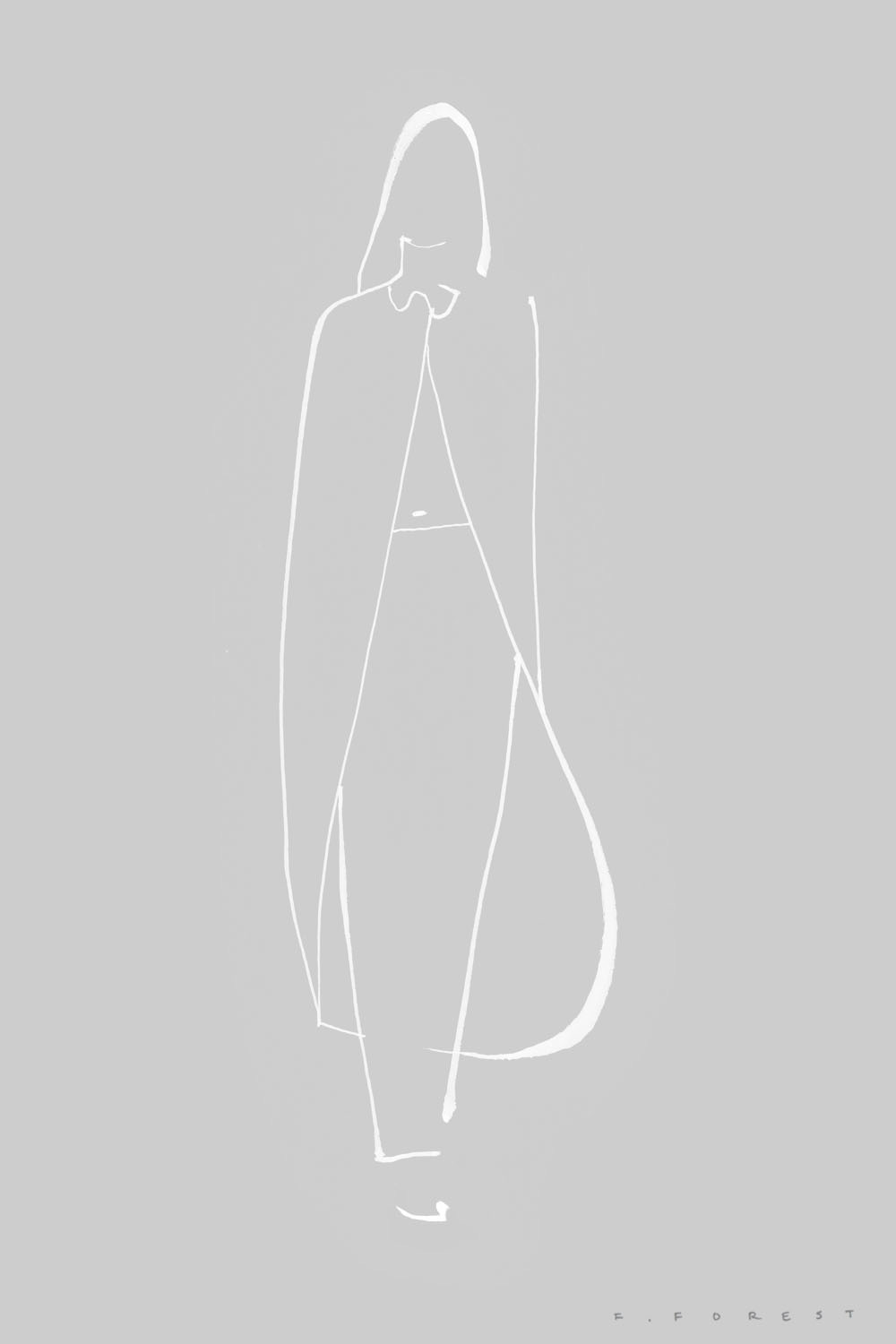
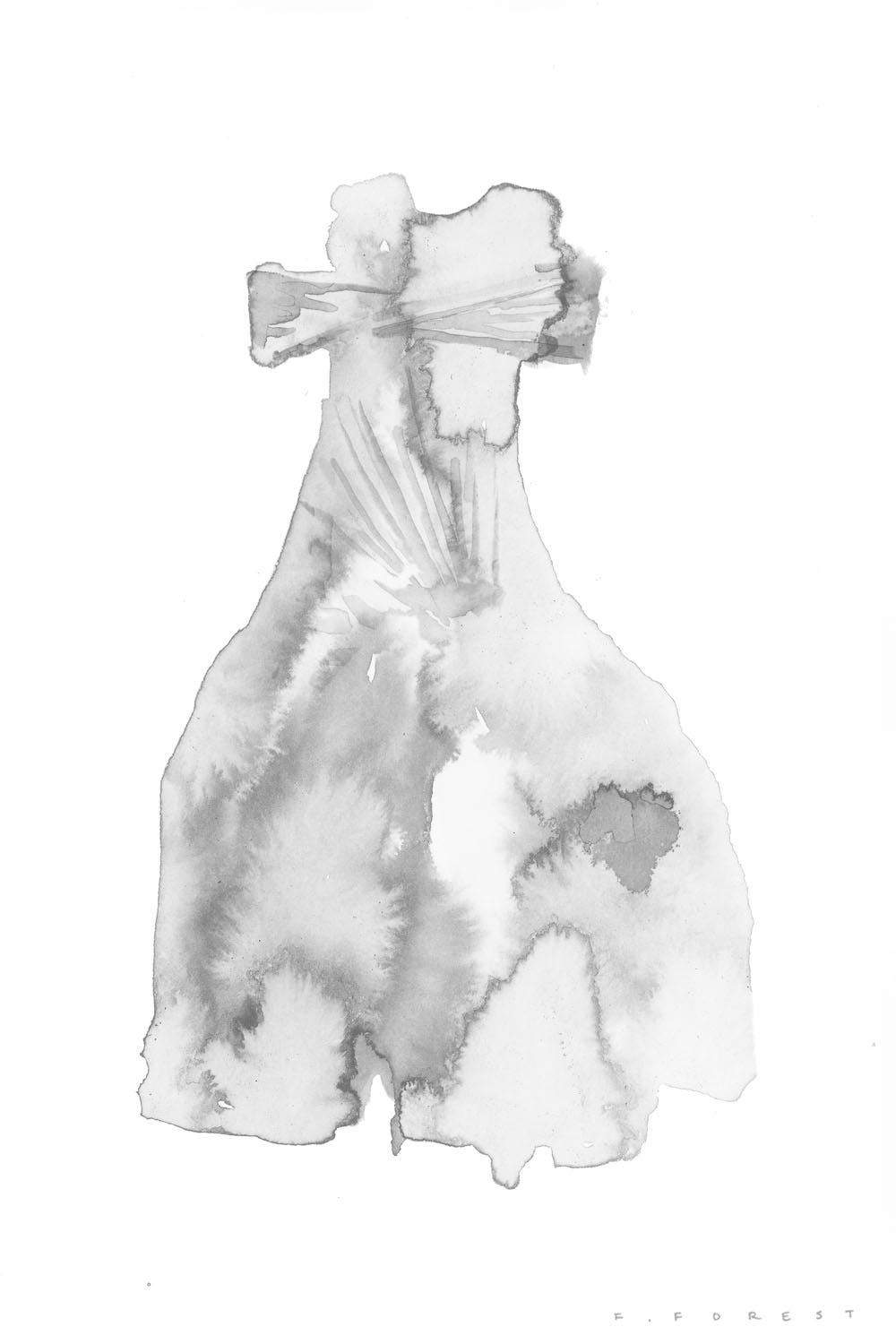
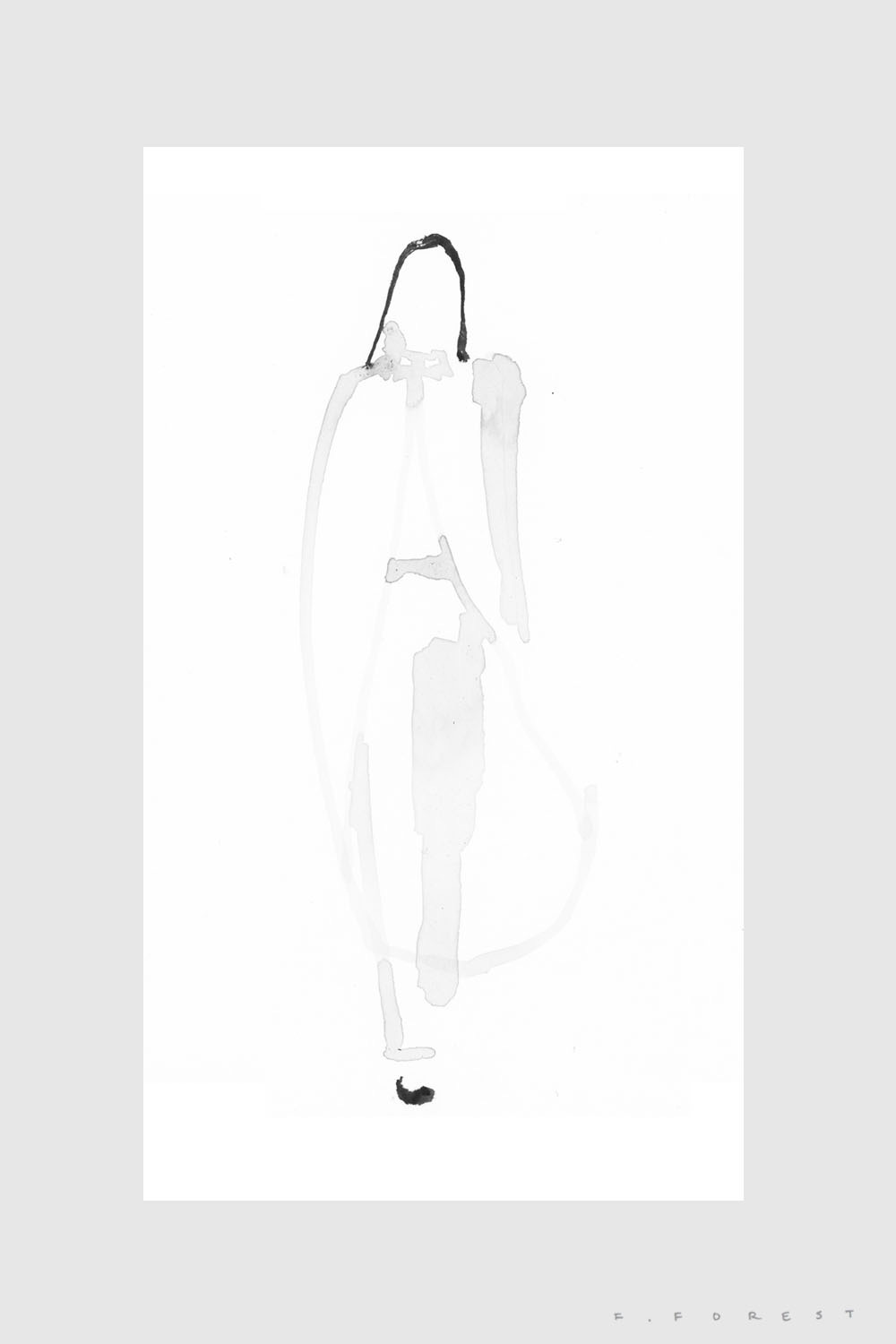
At Dior, a new heritage was taking shape—sensitive and elegant. Anderson opened with a bold collaboration with filmmaker and journalist Adam Curtis: a short film blending fashion with slasher horror. “It was sort of an act of contextualization for what he intends for the house,” says Blanks.Amed also welcomes Anderson’s thoughtful approach to the luxury house: “The Loewe that he built was built over time. It took 10 years. And so I think we should expect the same with him at Dior,” he says. “While maybe not everything in my view worked in that Dior show, I think that’s the point—because you learn from that.”
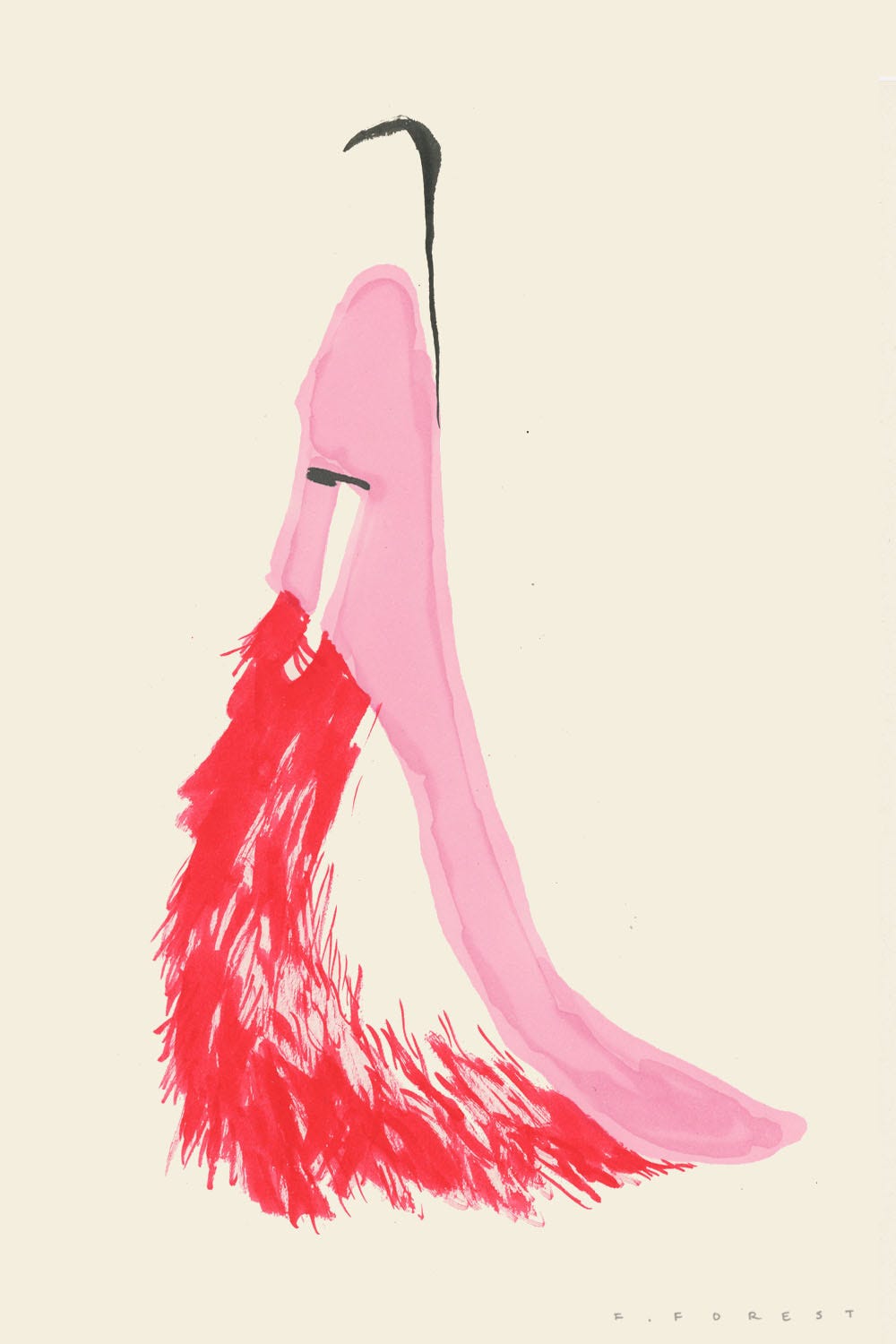
At Balenciaga, Pierpaolo Piccioli made a stunning comeback. The couture volumes, the color, the tailoring… A playful and bold collection energized by his years at Valentino, where he single-handedly designed all collections from 2016 to 2024 (after Maria Grazia Chiuri’s departure). It felt like a wild celebration.
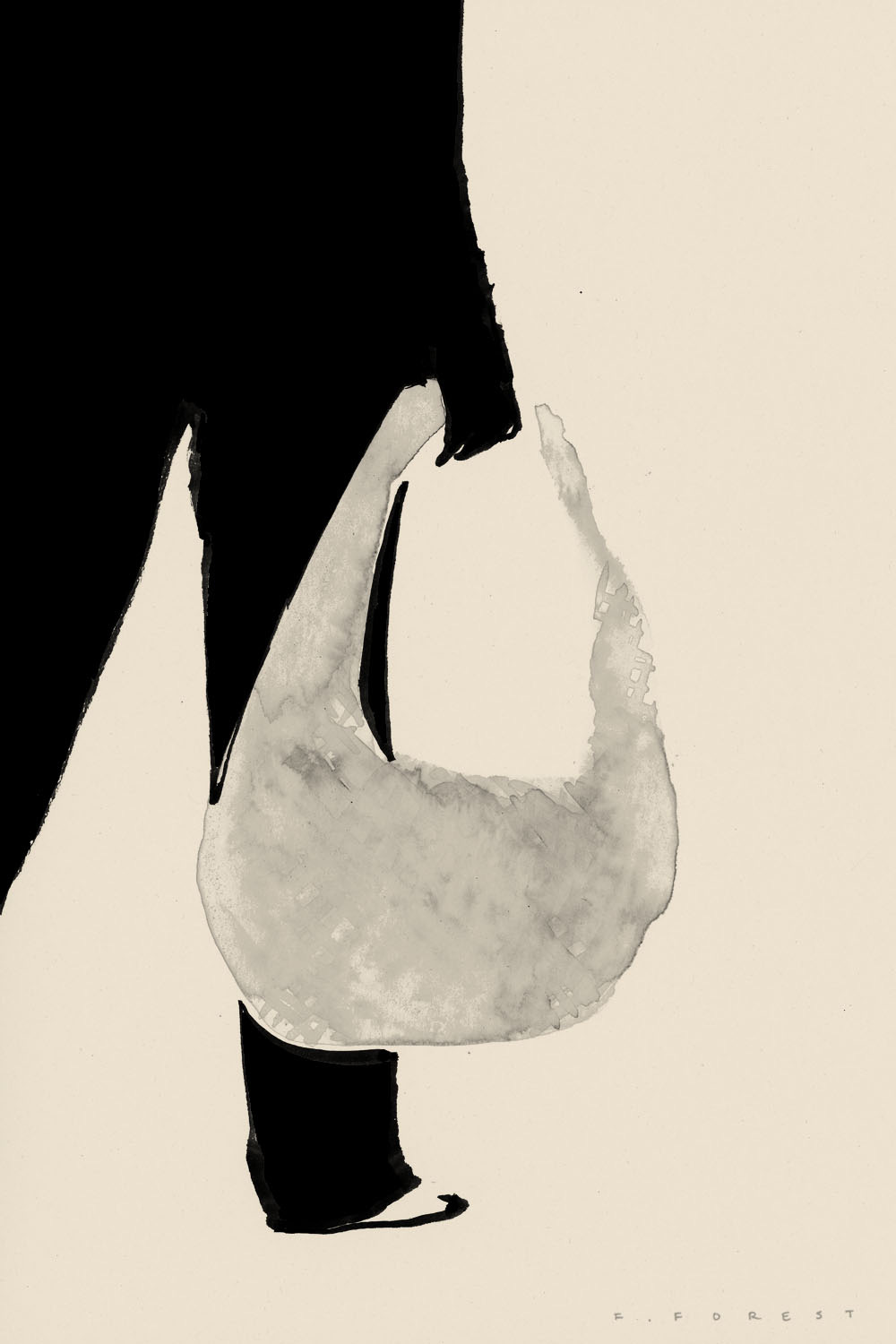
Meanwhile, Louise Trotter extended her understated approach following her work at Carven. Movement was a defining element in the collection—whether it was the trailing edges of a skirt made of layered leather bands, or the fringes running down the side seam of a micro-pleated dress. There was clear precision in a fluidity meant to blend in and react with the street—a lived-in elegance.

The hypnotic light show at Valentino, the flawless of Peter Mulier for Alaïa, Dries Van Noten’s transmission to Julian Klausner, Coperni has some great pieces, Bellotti’s Jil Sander debut that felt like a studied return to essence, and Hermès’s Nadège Vanhee’s pragmatic approach—this time inspired by France’s Camargue—brought even more richness. Accessories once again reached new creative highs, offering joy and craftsmanship in a world that feels, at times, unsettling—if not bleak.
Unfortunately, I didn’t have the opportunity to see everything, but I could sense a certain pragmatism with a return to an idea of beauty. Like a new groundswell. And that’s what my inspiration from fashion is: a response—both serious and lighthearted.
Love,